


Conceived by Jimmy Patel, Aramness Gir brings a refined, design-led luxury stay to the forest
Words
Varuni MohanPhotos
Aramness Gir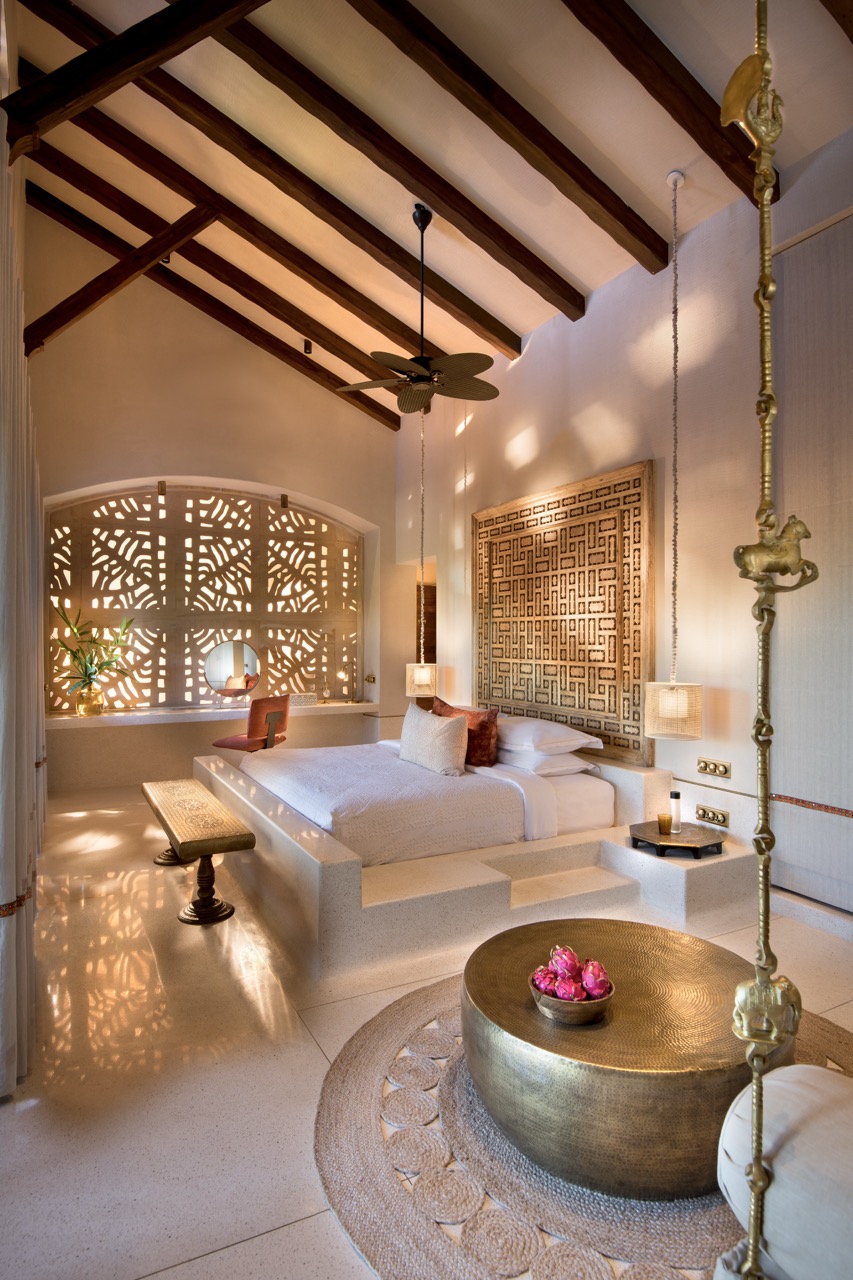
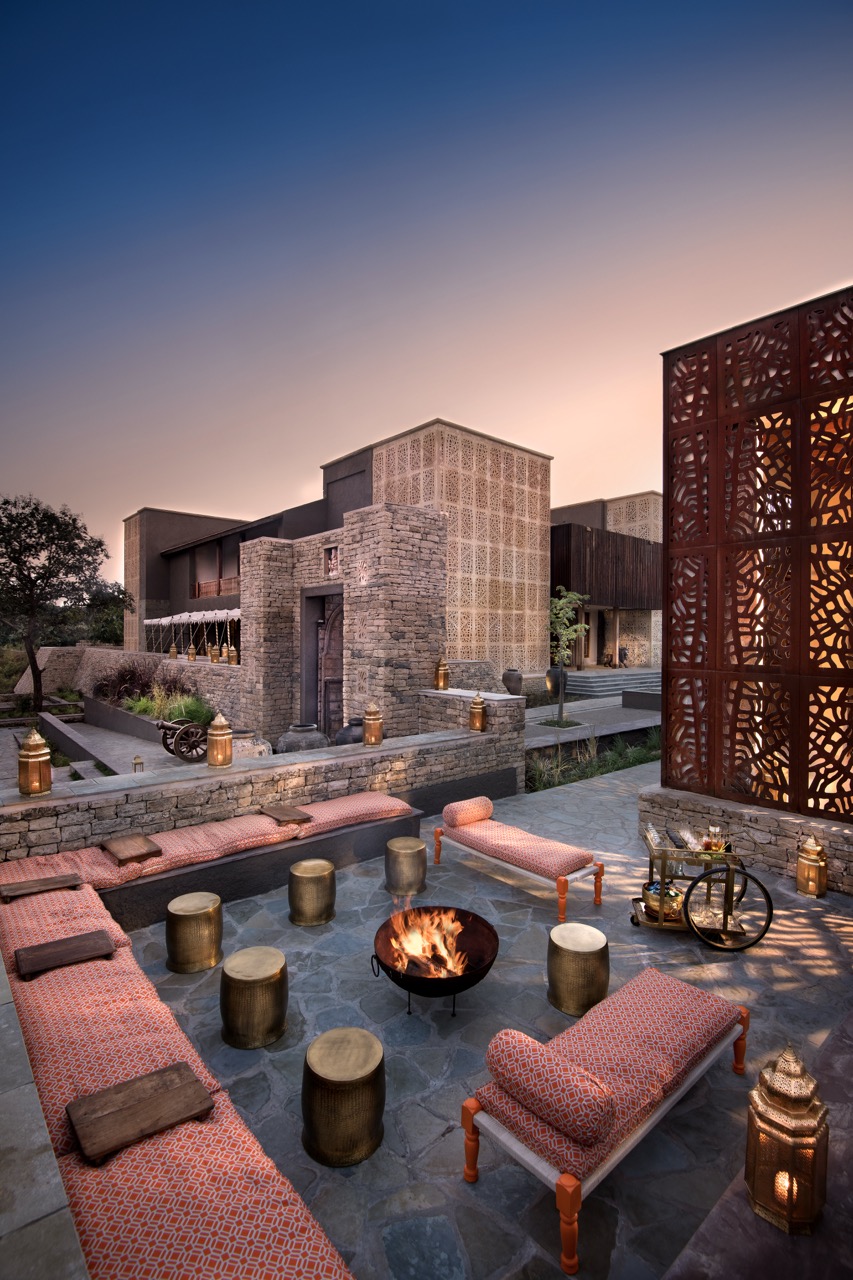
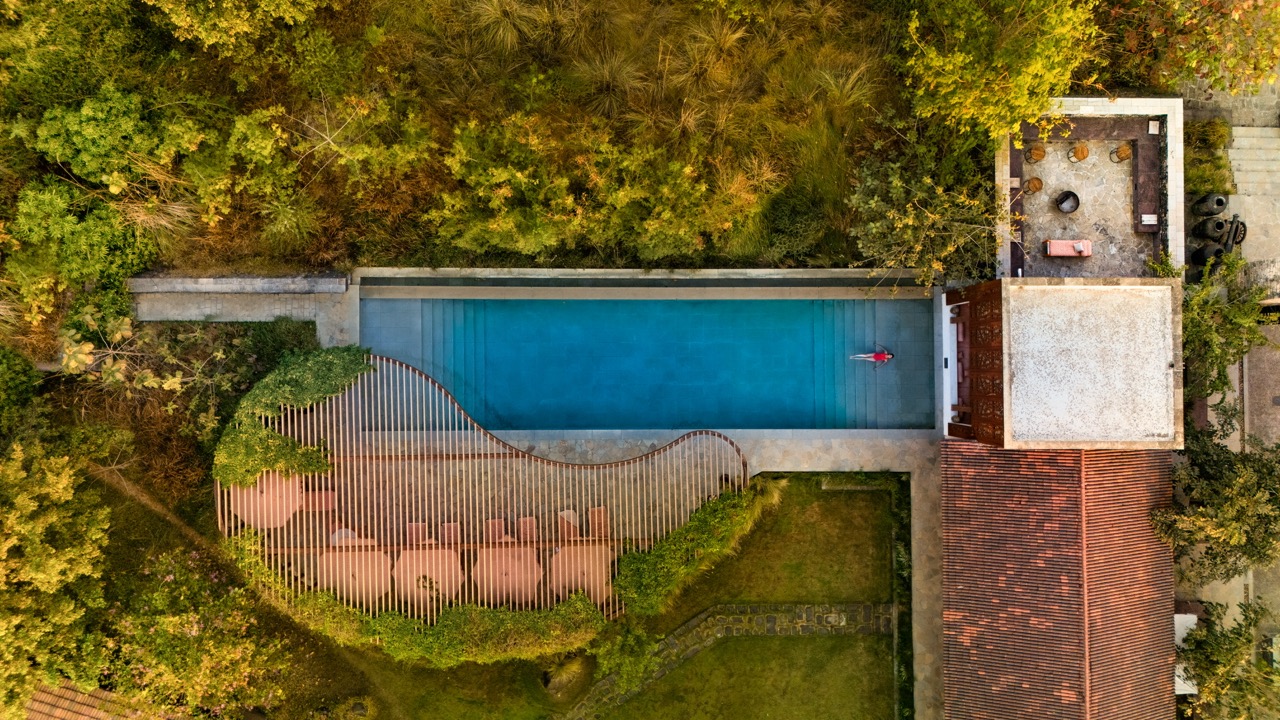
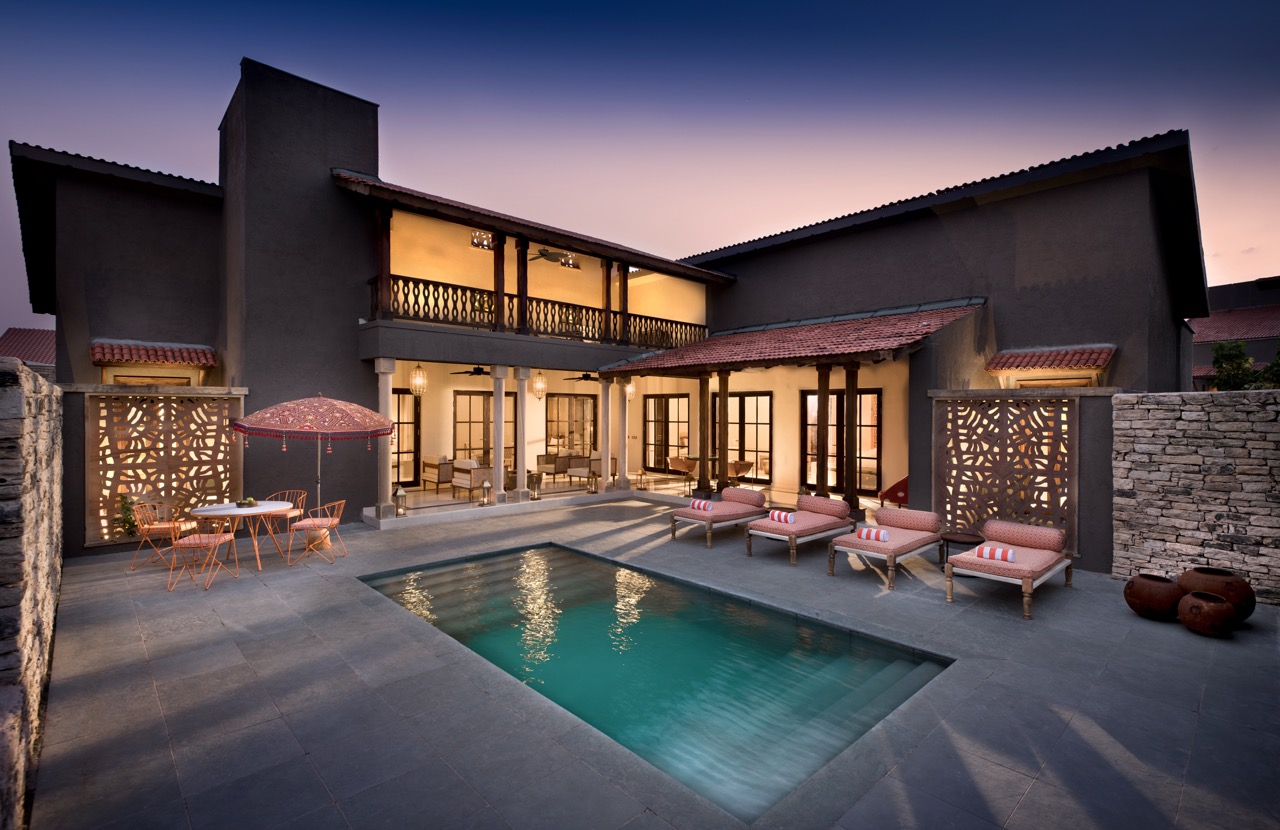
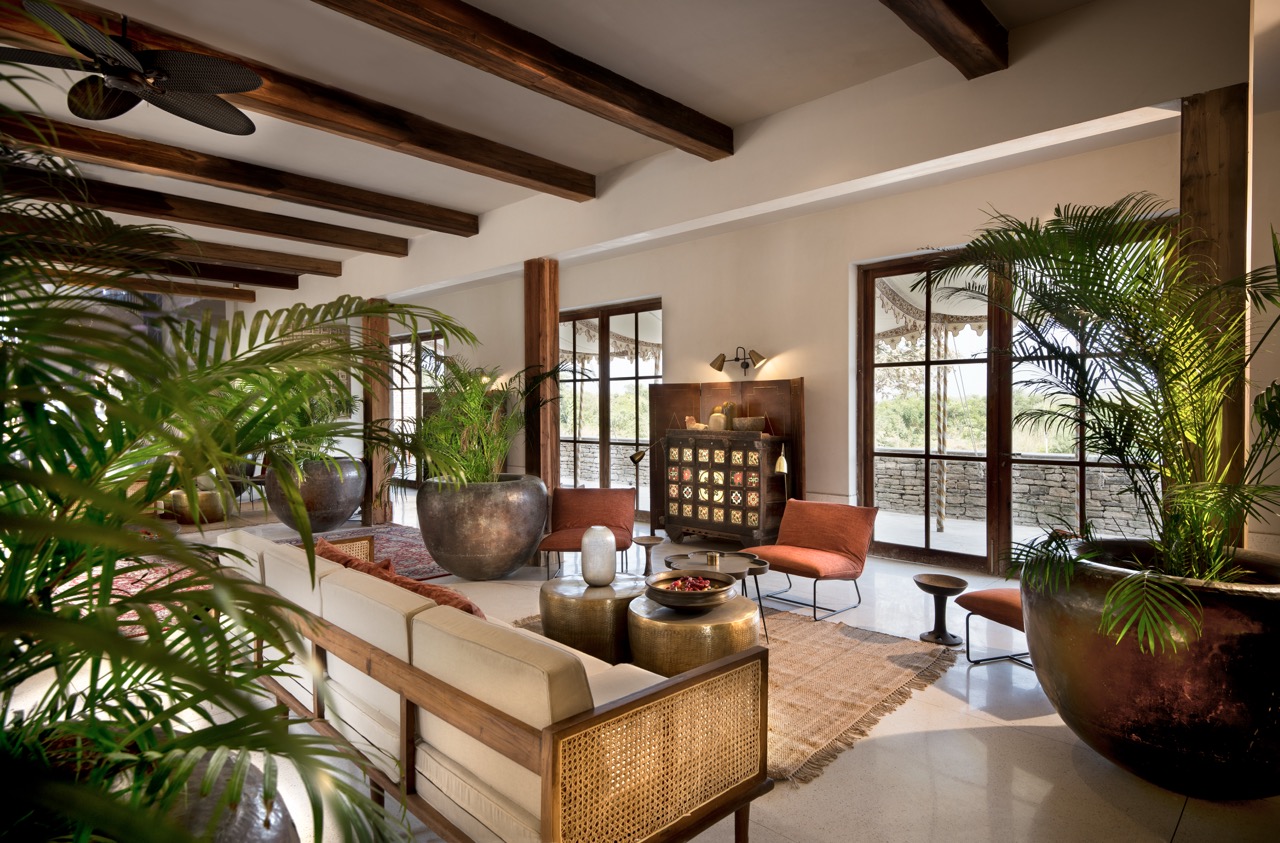
Even before you arrive, Aramness Gir, a luxury safari-style resort, begins to settle in. The drive through the Gir National Park is unhurried, almost cinematic. Spotted deer move in and out of view, a stag pauses at a distance, peacocks cut across the path, and the occasional nilgai appears and disappears just as quickly. By the time you reach the property, your pace has already shifted. And that is where the first real impression lands. Even though the interiors are indulgent, what feels truly luxurious is this setting, this distance from everything. Yet nothing about the architecture feels imposed. It does not read as something that has been placed here. It feels like it belongs, texturally and sensorially aligned with its surroundings.
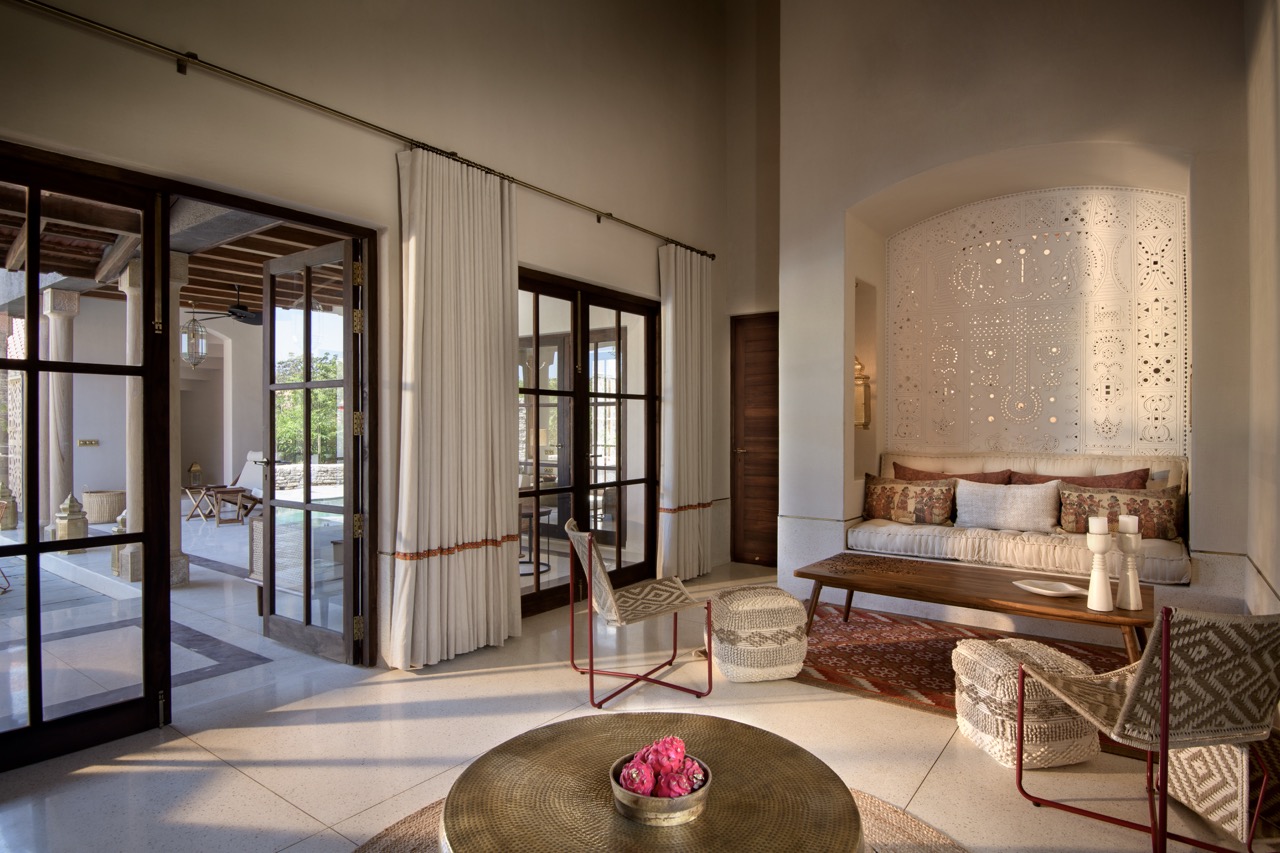
The brainchild of Jimmy Patel, Aramness Gir was designed through a collaboration between Nicholas Plewman Architects and Fox Browne Creative, with Plewman’s experience of designing safari lodges across Africa informing the approach. There is a certain restraint in how structures sit on the land, how openings are framed, and how materials are allowed to age. The planning draws from the logic of a Gujarati village, with kothis arranged around courtyards, movement unfolding through verandahs, and shaded thresholds rather than formal corridors. Materially, the palette is familiar, but the handling is precise. Stone and lime plaster bring a sense of weight, while poured terrazzo runs across floors and built elements, with fine brass inlays tracing the joints. It is subtle, but it gives the surfaces a sense of sharpness. At the centre, the haveli that houses the reception and dining is wrapped in a carved soapstone screen. During a site visit at the planning stage, Plewman noticed a dried leaf held up against the sun, its veins forming a delicate network. That image is translated into the latticework pattern on the facade, that filters light and creates a constant shift of shadows through the day.
Inside the villas or kothis, the textures become more tactile. Walls carry panels of Kutchi lippan work, rendered in a restrained white palette, where mirror fragments catch light in a subtle, diffused way. There are indoor swings, hand-carved wooden pieces, and textiles that bring in colour in a stylishly chic way. One of the most striking details is the use of reclaimed antique doors. Each one is different, carrying its own history and patina, yet placed in a contemporary way, so they never feel out of context. Brass handles, some shaped as animals, appear across doors, referencing the landscape beyond.
Beyond the design, what stays with you is how the place is run. Meals are built around a farm-to-table approach, with much of the produce coming from the property’s own vegetable garden. The food feels fresh, uncomplicated, and closely tied to the region. The service follows the same philosophy. It is attentive and thoughtful, without drawing attention to itself. You are looked after in a way that feels natural, almost intuitive.
For founder Jimmy Patel, the idea was always to let the place speak for itself. As he puts it, true luxury here comes from staying close to the land, working with local materials and craftsmanship, and allowing those traditions to continue in a way that feels relevant today. Aramness Gir stays with you because everything aligns.