

Inspired by the meditative focus of artisans in Nepal, Mana Collective’s Dhyan collection is an ode to indigenous craftmanship
Words
Manisha ARPhotos
ABHISHEK SINGHAL (ANICA CONSOLE TABLE), PRITESH POKIYA (MANAN ROOM DIVIDER), SUZAN SHRESTHA (ABHYAS ACCENT TABLE), MOHIT MAHARJAN (FOUNDERS, ARTISANS)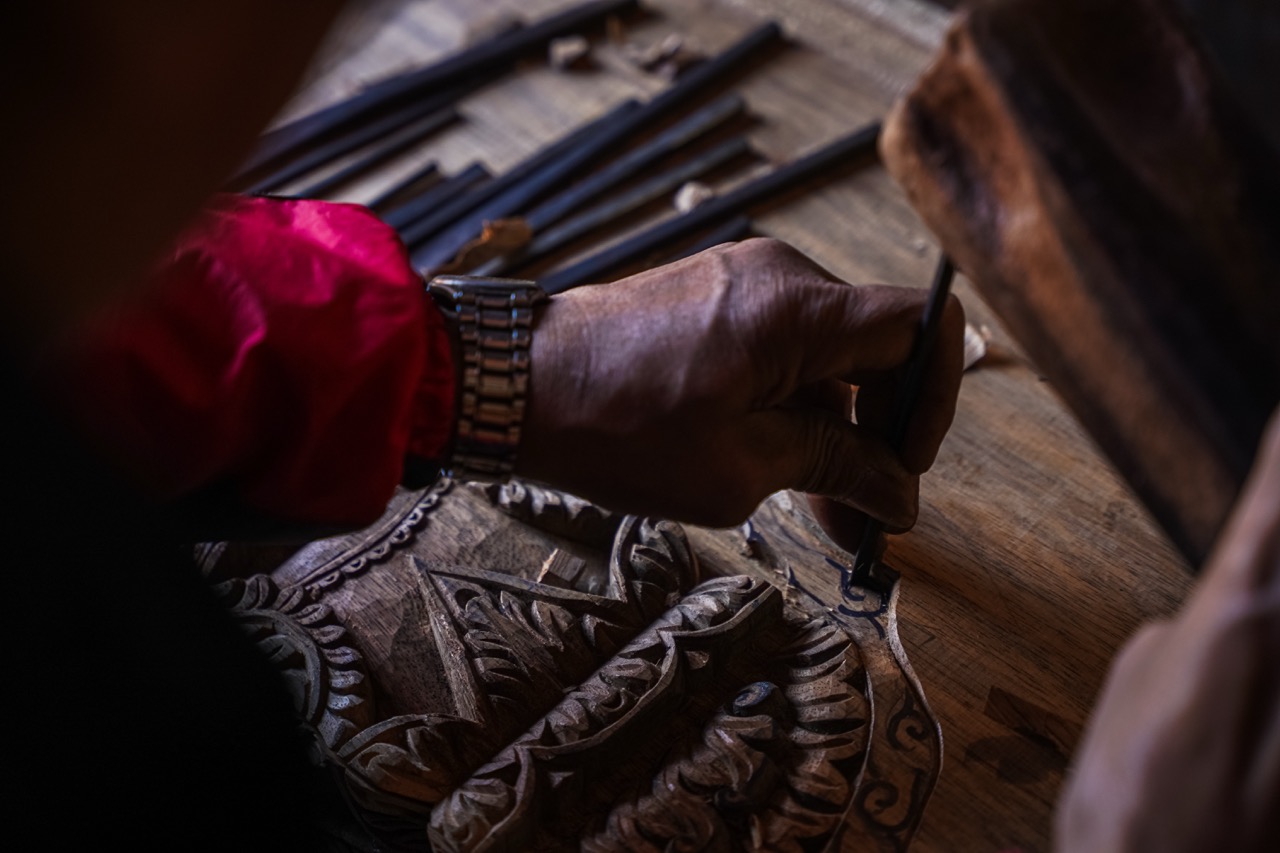
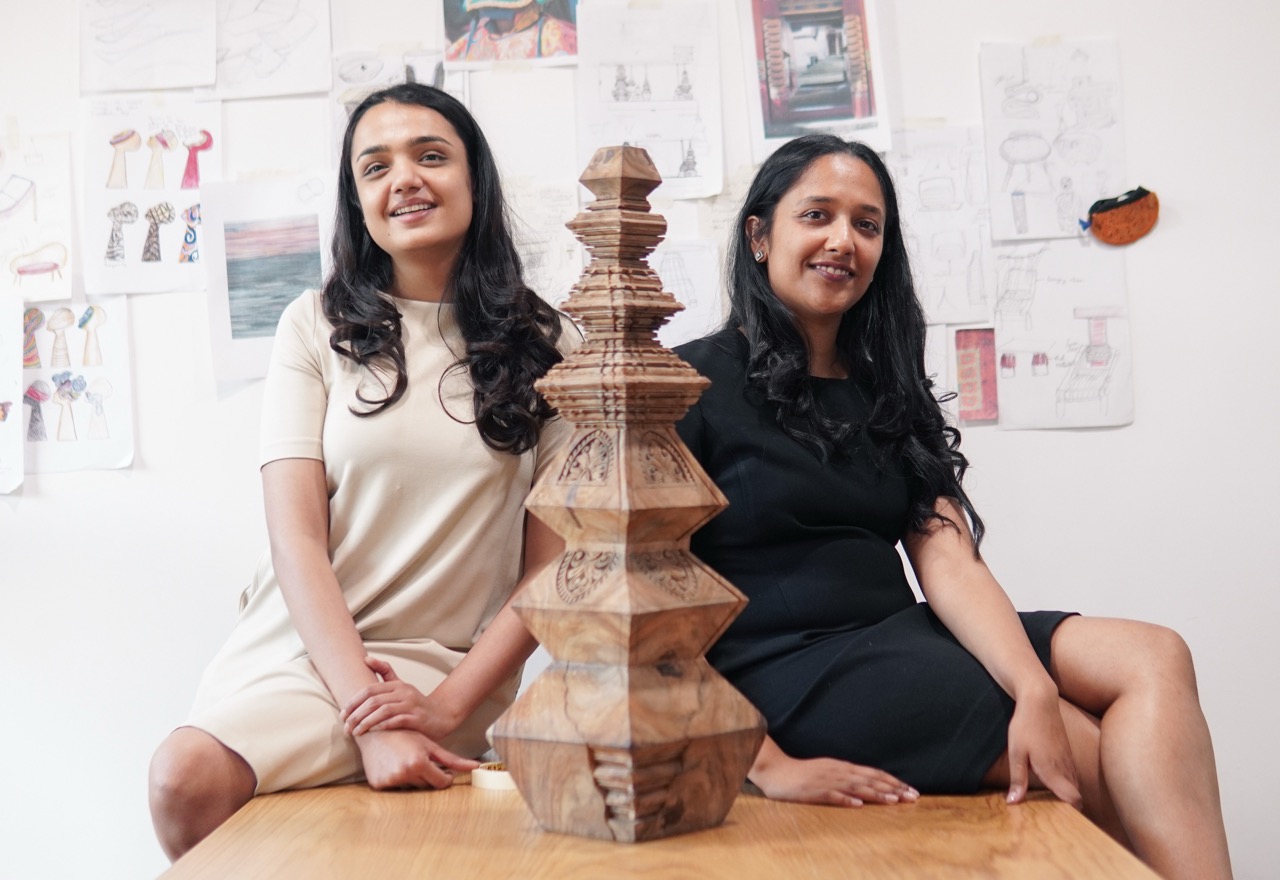
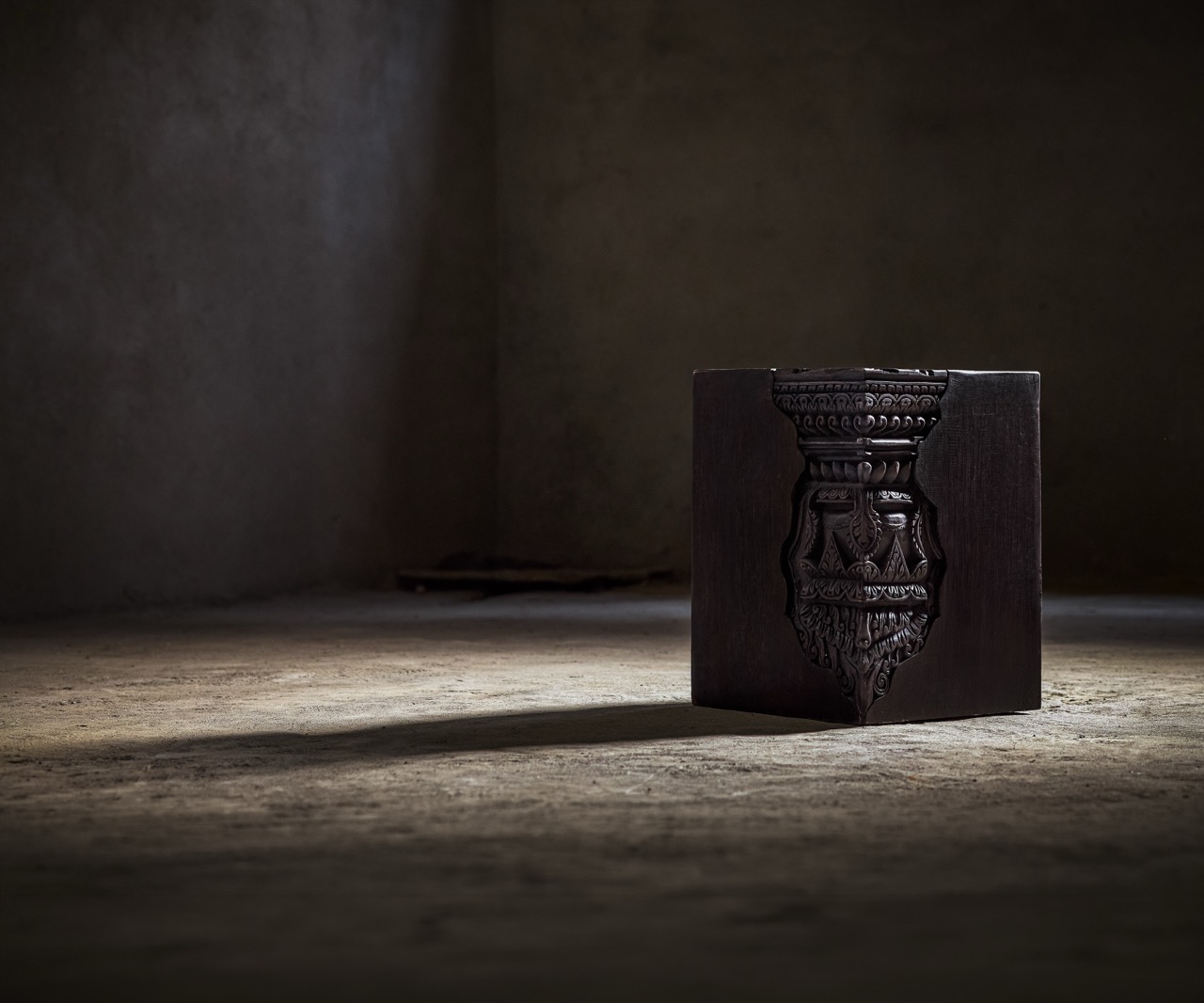
Inspired by carving traditions from the Kathmandu Valley, Mana Collective translates heritage craft into contemporary design, working closely with artisans across South Asia. “From an early age, the city’s layered architecture, craft traditions, and rituals of making formed a quiet backdrop to our lives,” share co-founders Harshitaa Agarwal and Aditi Kedia, both of whom grew up in Kathmandu, Nepal. Their Dhyan collection draws from this inheritance, while embodying modernity and mindful awareness in both name and spirit.
How did the collection evolve, from the first piece to the last?
As young designers becoming more conscious of the city, we began to notice that many crafts that once defined the Kathmandu Valley, particularly traditional wood carving, were gradually disappearing from contemporary practice. Our journey began with an exploration of these traditions through research, technique, and the stories of the artisans themselves. From sketches to early prototypes, the process involved constant back and forth, with each iteration deepening our understanding of the craft, joinery techniques, materials, and their inherent constraints. Each experiment became a new puzzle to solve, shaping the designs along the way.
In what ways has the region influenced your practice?
The architecture across the valley – from temples and courtyards to homes and public squares – is shaped by finely hand-carved wood and intricate brass repoussé work. In the historic Durbar Squares of Kathmandu, Patan, and Bhaktapur, craft appears at every scale: carved windows and doors frame homes, stone spouts carry mythological motifs, and temples gleam with decorative metalwork. What stayed with us most is the artisans’ devotion. In an age of mechanised production, many still choose the slow, deliberate process of handcraft, an ethos at the heart of our collection. Watching them work often feels like witnessing a meditative practice.
How did you approach balancing traditional craftsmanship with a more contemporary design language?
Our intention was to ensure the carvings on our furniture felt integral to the structure rather than ornamental or excessive. Instead of positioning them as focal points, we designed them to move in rhythm with the silhouette of each piece. The carvings themselves are intricate and require a high level of skill, so the challenge lay in finding a balance – preserving the depth and richness of traditional woodcarving while pairing it with more restrained finishes to keep the pieces feeling contemporary. In many ways, the process became one of restraint: allowing the craft to speak softly rather than loudly.
Which pieces stand out in the collection, and what was the thinking behind them?
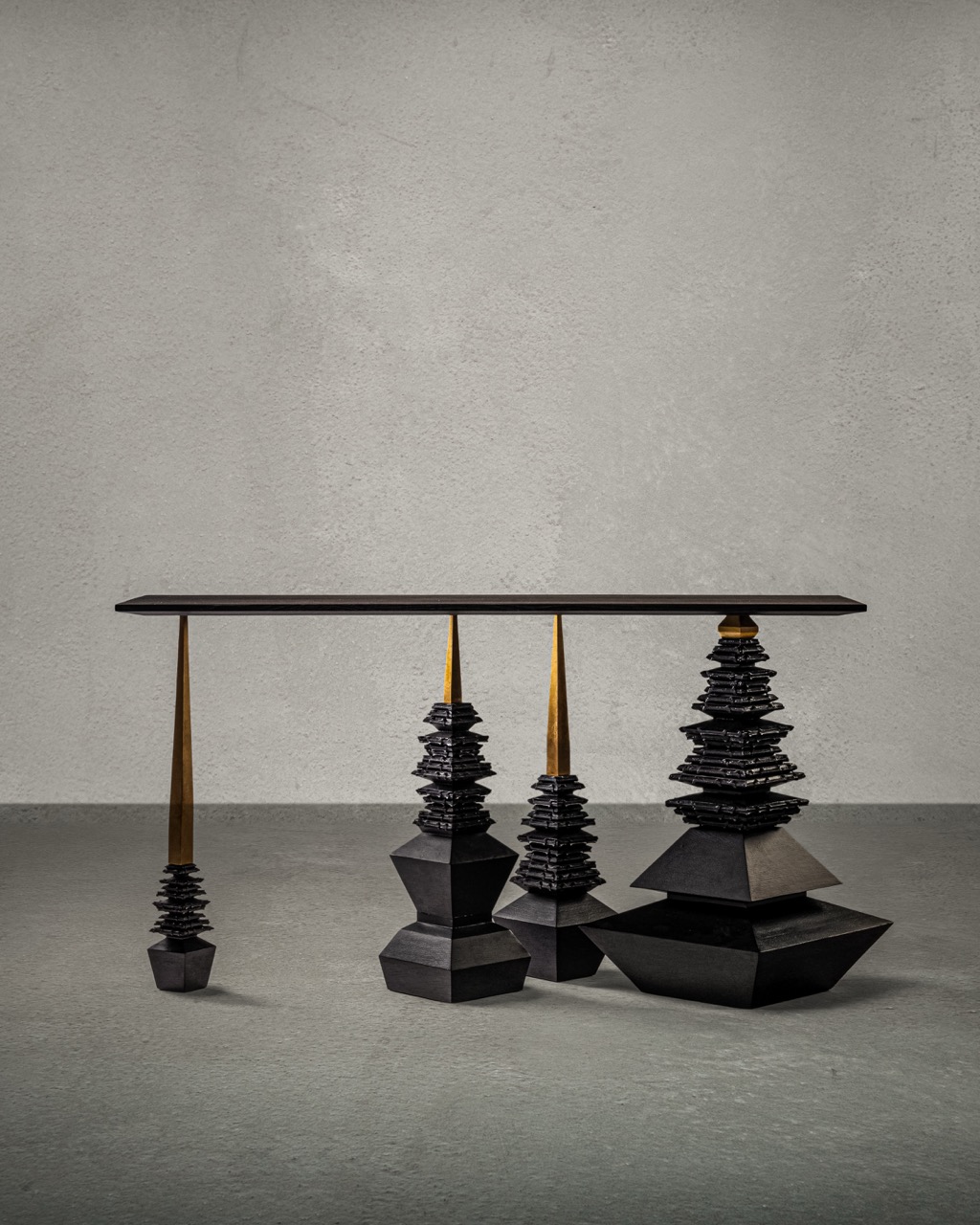
The Anica console draws from the multi-tiered pagoda structures of temples, with its legs echoing their stacked, architectural form. Translating this into a functional piece proved technically challenging. The metal tabletop, while bearing much of the weight, had to appear light and sleek, while the legs needed the strength to support it. Achieving a balance between visual delicacy and structural stability required extensive experimentation.
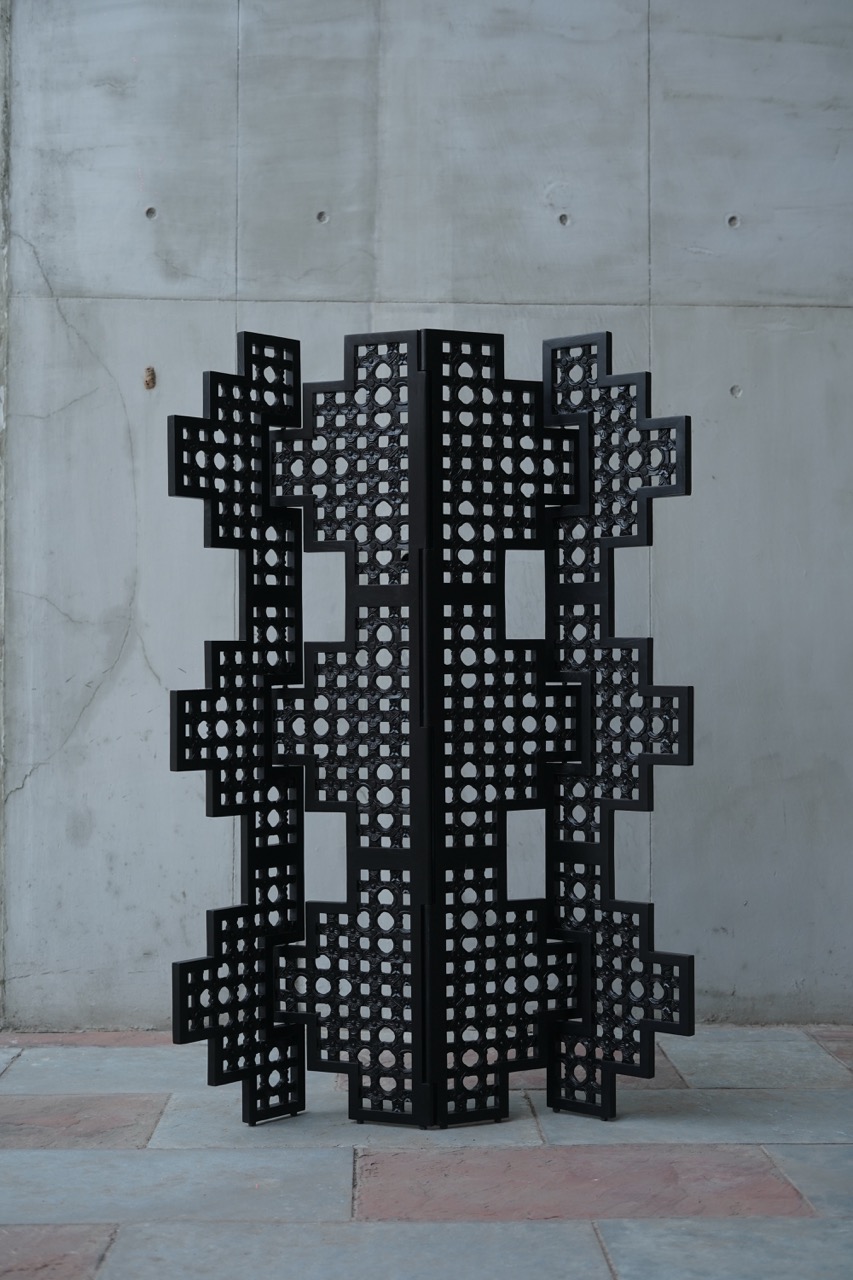
The Manan room divider references another vernacular Nepali architectural element – the Aankhi Jhyal window, reinterpreting the woven lattice framework and interplay of light and shadow. As light moves across the surface of our Manan divider, which is carved with motifs of native Nepali flowers, it casts shifting shadows that echo the contemplative nature of the original windows.
What challenges did you encounter while developing the collection?
Finding artisans open to an evolving, research-driven approach wasn’t always easy. The Sadhna side table, for instance, required multiple iterations of a joint to achieve stability without compromising its form. Moments like this shaped the collection, pushing us to move beyond initial assumptions and respond more intuitively to the material and the artisans’ sensibilities.
What can we look forward to next from Mana Collective?
Our journey is centred on expanding the dialogue between heritage and modern design. We hope to continue building upon this collection, experiment with brass, and discover new ways to reinterpret regional craft traditions. There is still so much to explore within this region alone!