

Tectona Grandis Furniture reworks reclaimed wood into objects that feel considered, tactile, and made for the way we live today
Words
Priyanka VaadulashaPhotos
RAVI MISTRY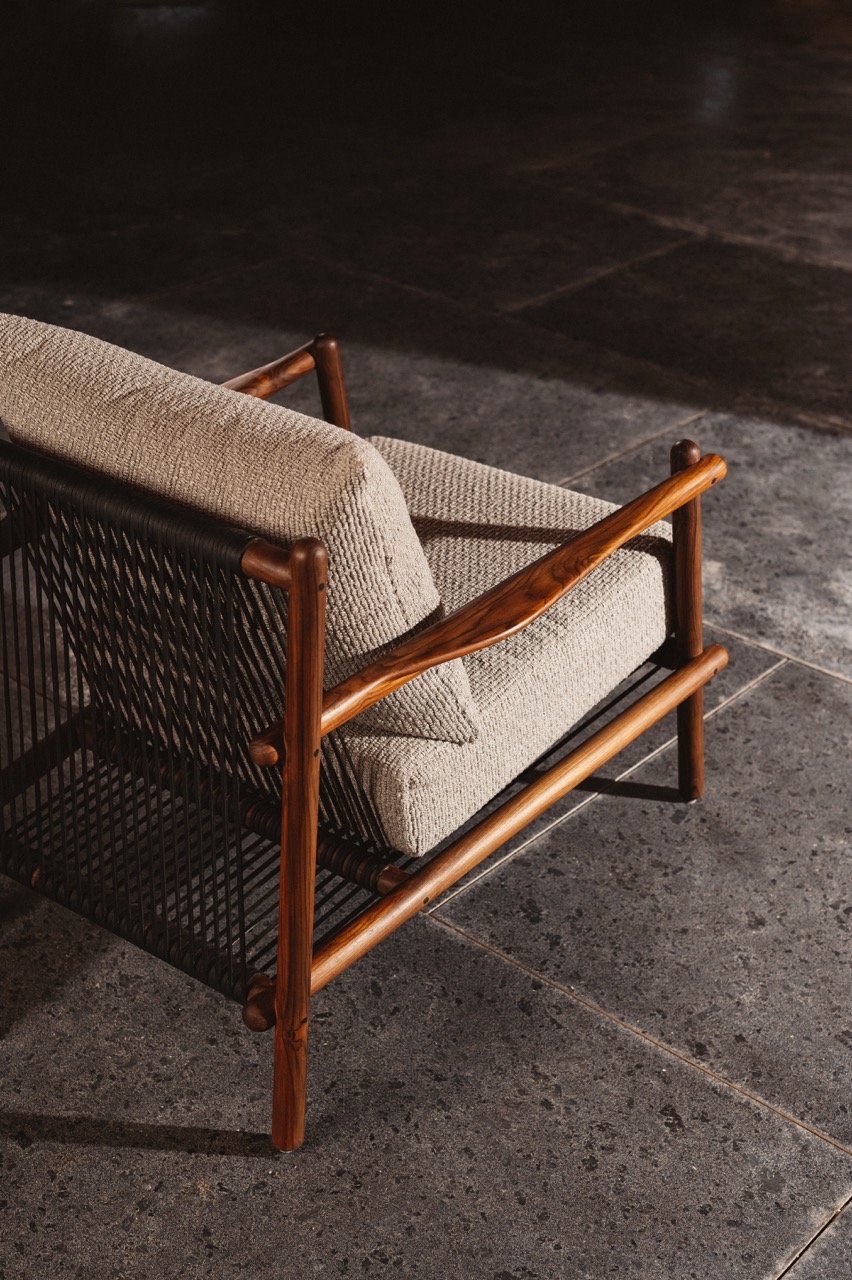
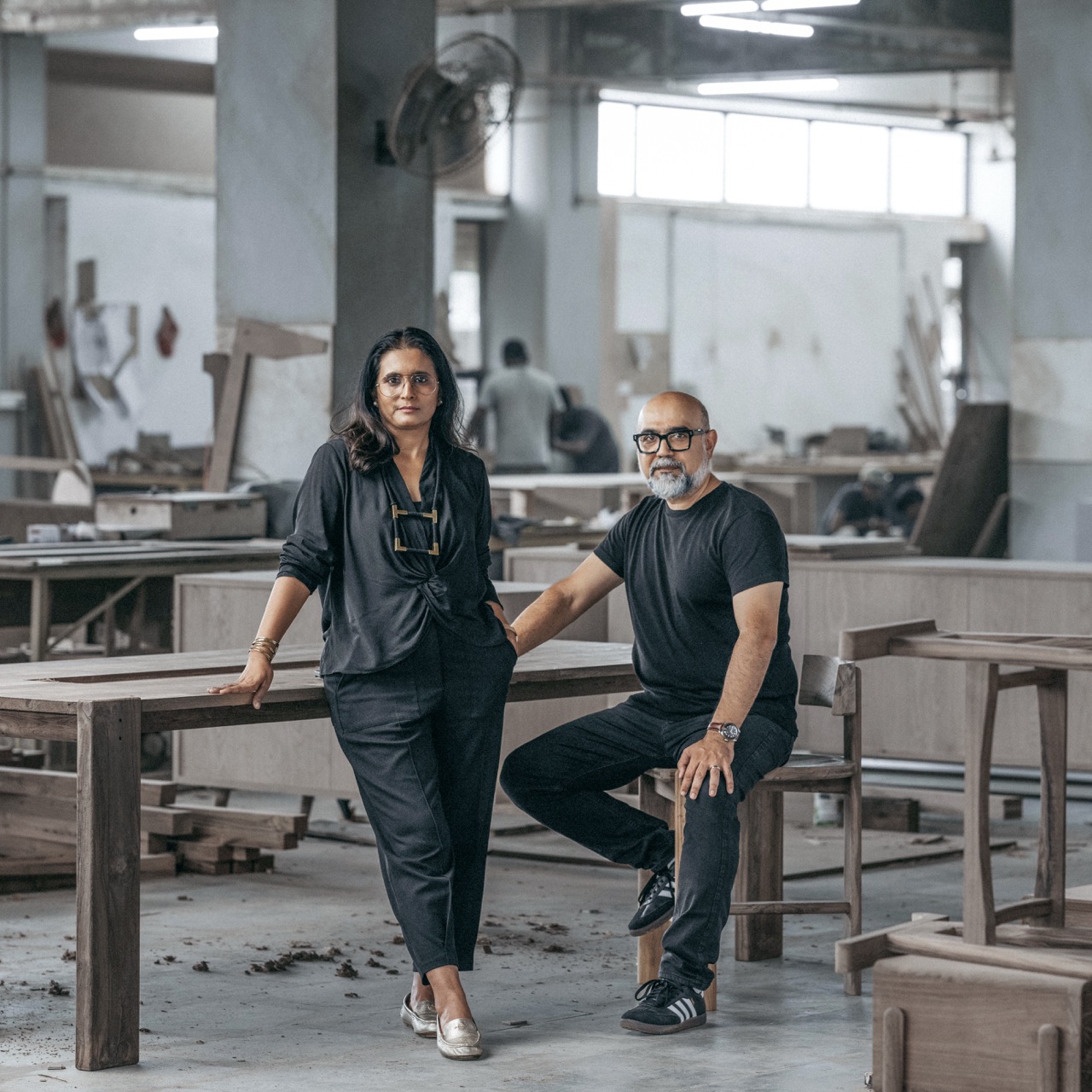
Before Tectona Grandis Furniture (TGF) took shape, Dhruvkant Amin was working on interior projects that relied heavily on global sourcing. It was here that he noticed a gap. India lacked furniture that felt connected to its context, yet could sit comfortably in contemporary homes anywhere in the world. “We were constantly looking outside for pieces that would work in Indian spaces,” he recalls. “At some point, it felt necessary to start building that language here.” With a background in furniture design from NID, Dhruvkant set out to build something that responded to this, roping in his partner Jalpa Amin for administrative support. Jalpa, with her background in mathematics in textiles, brought structure and clarity to the way the studio operates, eventually taking on larger responsibilities. Together, their roles fall into place naturally, with design and systems shaping the studio side by side. “We approach things differently, but that’s what makes it work,” says Jalpa. “There’s a rhythm to how decisions are made.”
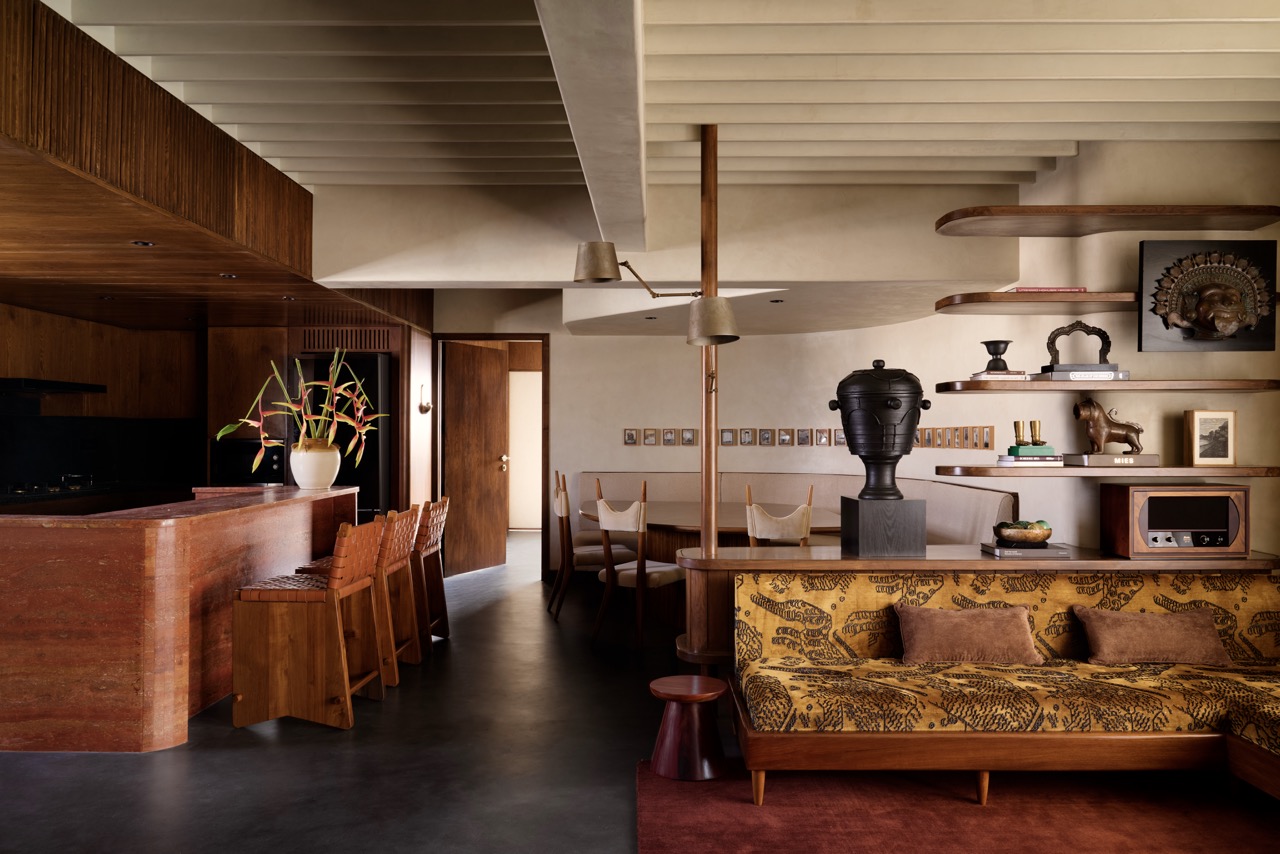
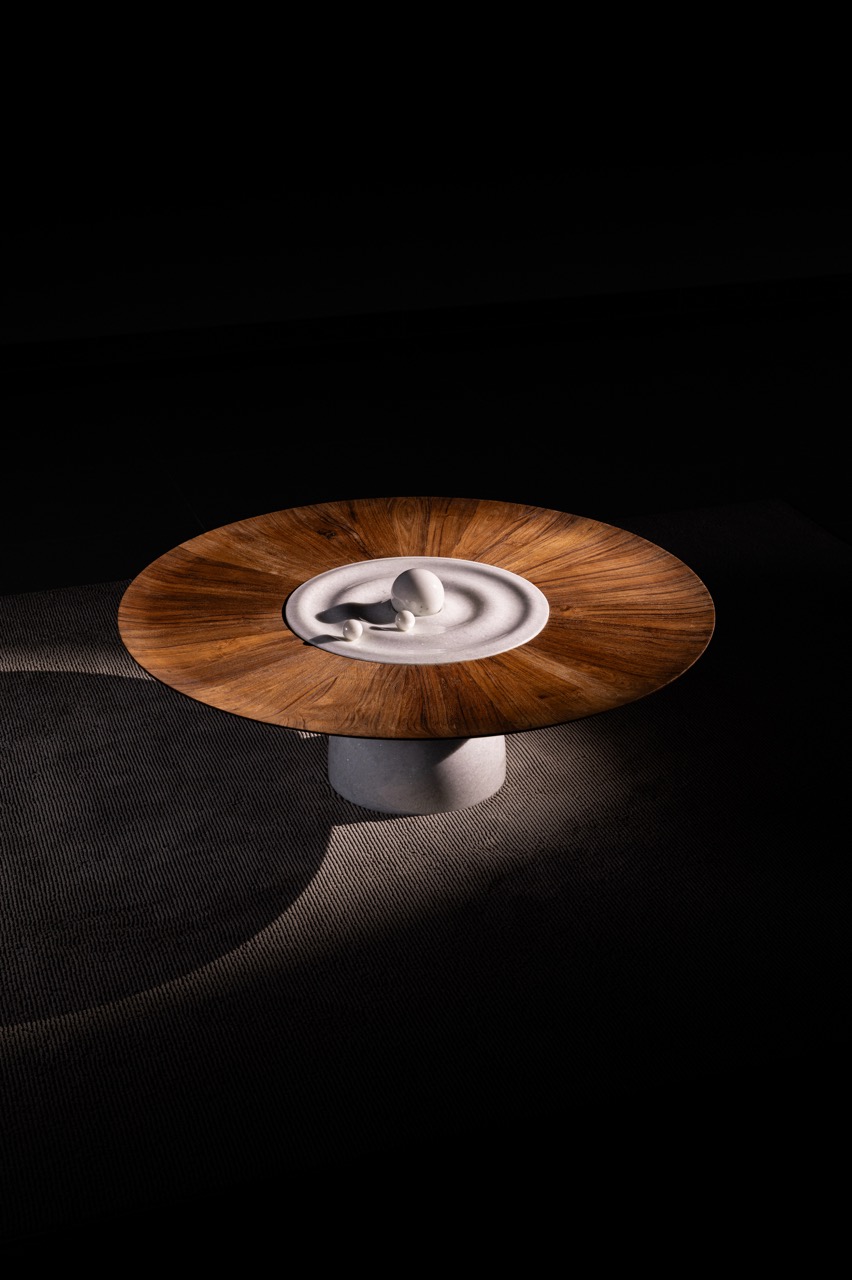
Material became the starting point. After years of working with stainless steel, Dhruvkant found it visually and physically cold. Wood offered a shift. It felt warmer, easier to live with, and more in tune with everyday spaces. The real turning point came with reclaimed teak. Often discovered on-site, once stripped of surface treatments, the material revealed depth, grain, and a kind of character that new wood could not offer. “When you remove the polish and layers, the wood tells you what it wants to be,” Dhruvkant says. “That’s when it becomes interesting.” Reclaimed teak, typically between 50 to 100 years old, arrives already seasoned. It is stable, resilient, and far less prone to warping. Its irregularities are not corrected but worked with. Each piece is treated as its own starting point, allowing the material to guide the outcome rather than forcing uniformity. “No two planks behave the same way,” Jalpa adds. “You learn to respond to it rather than control it.”
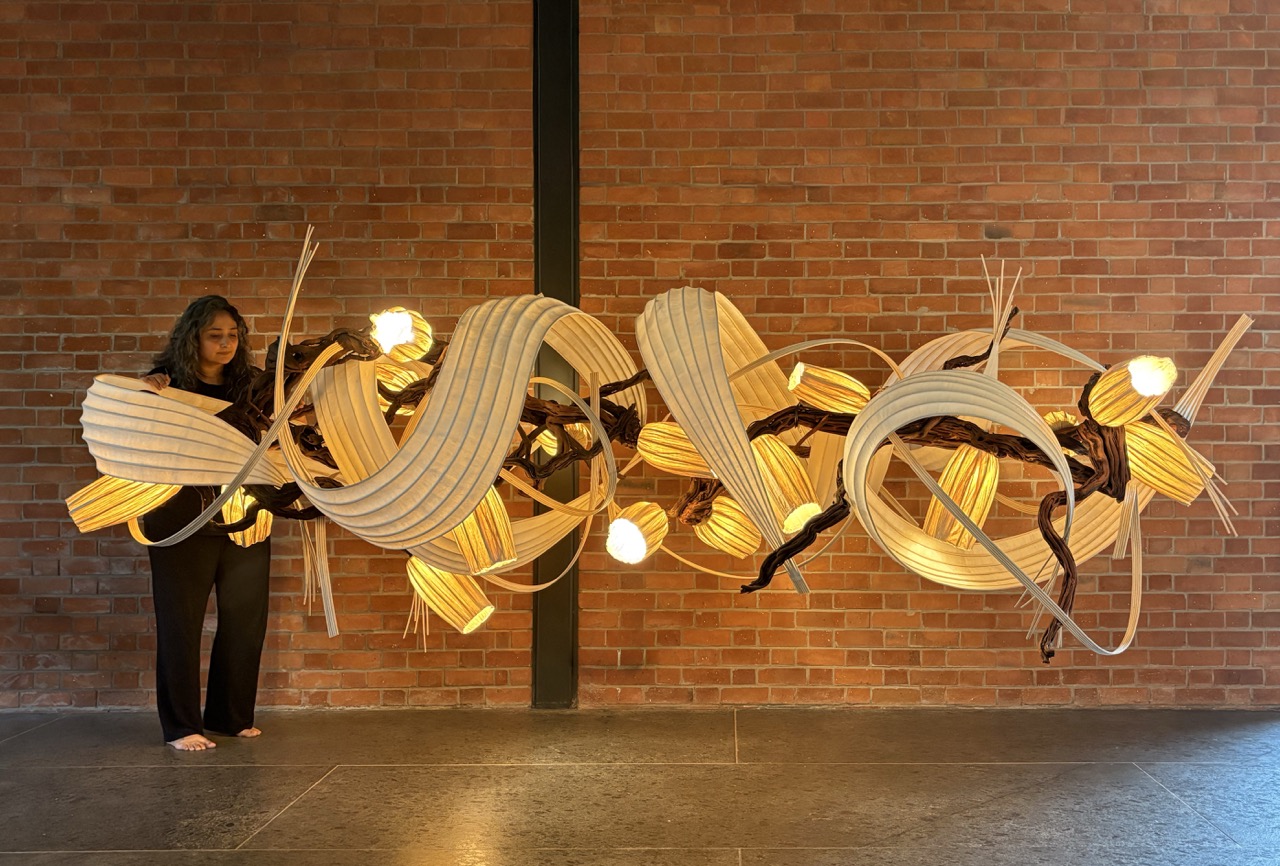
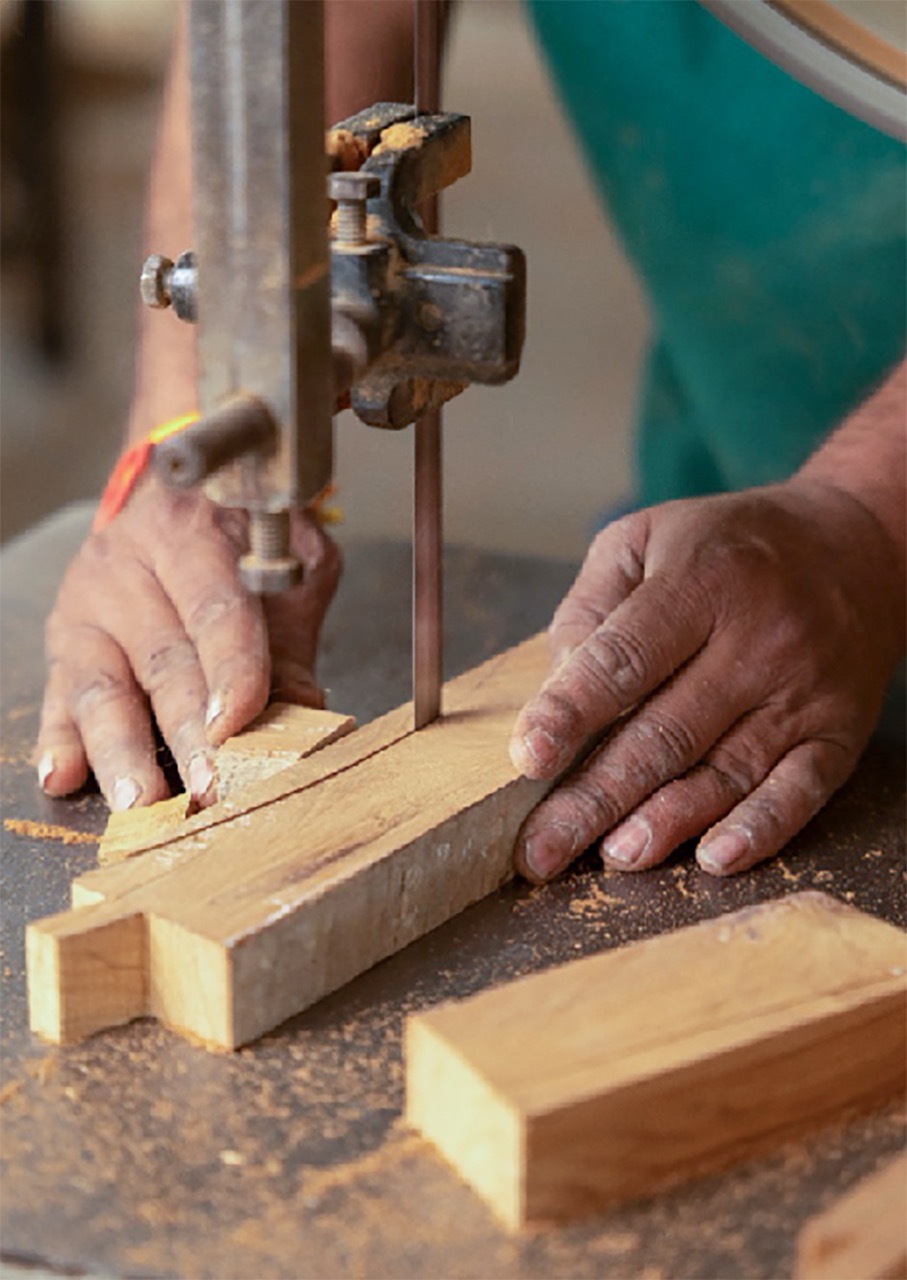
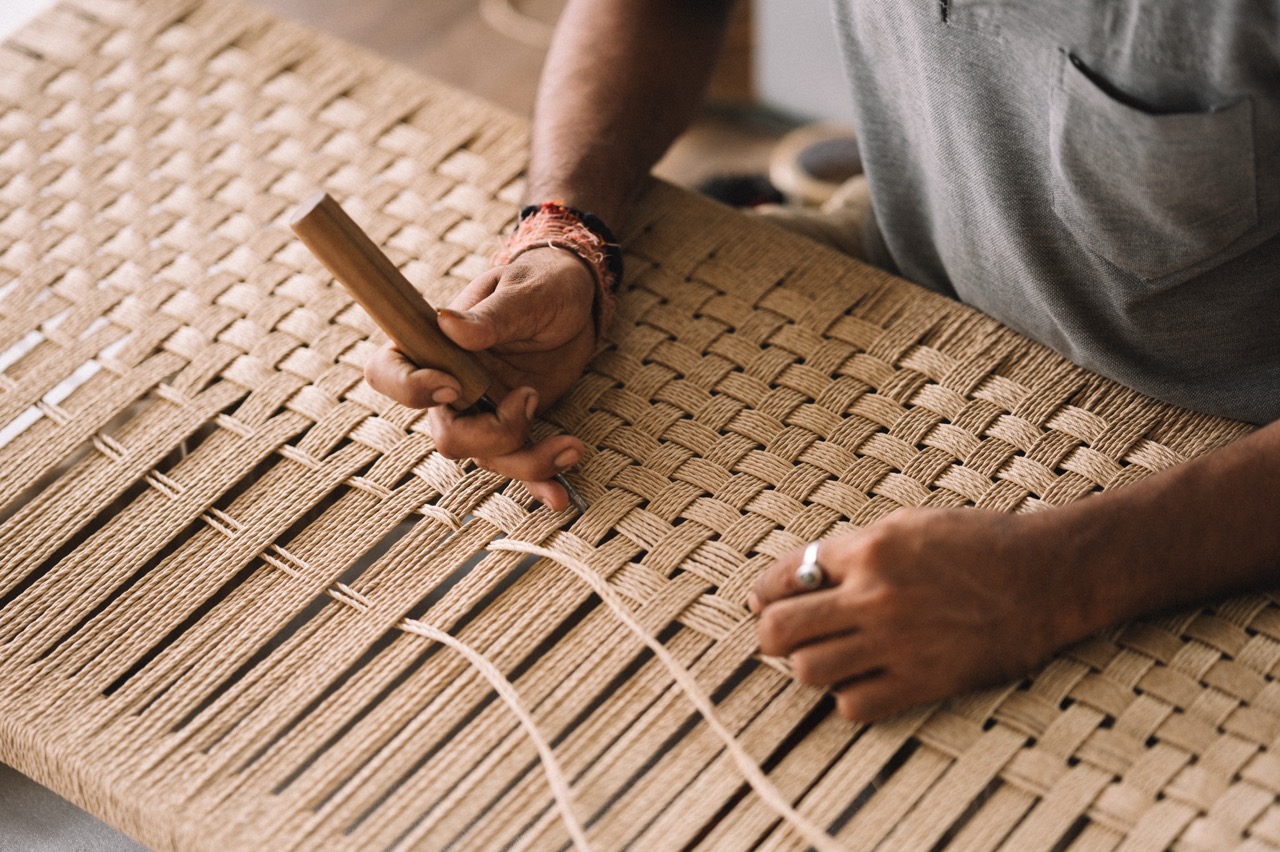
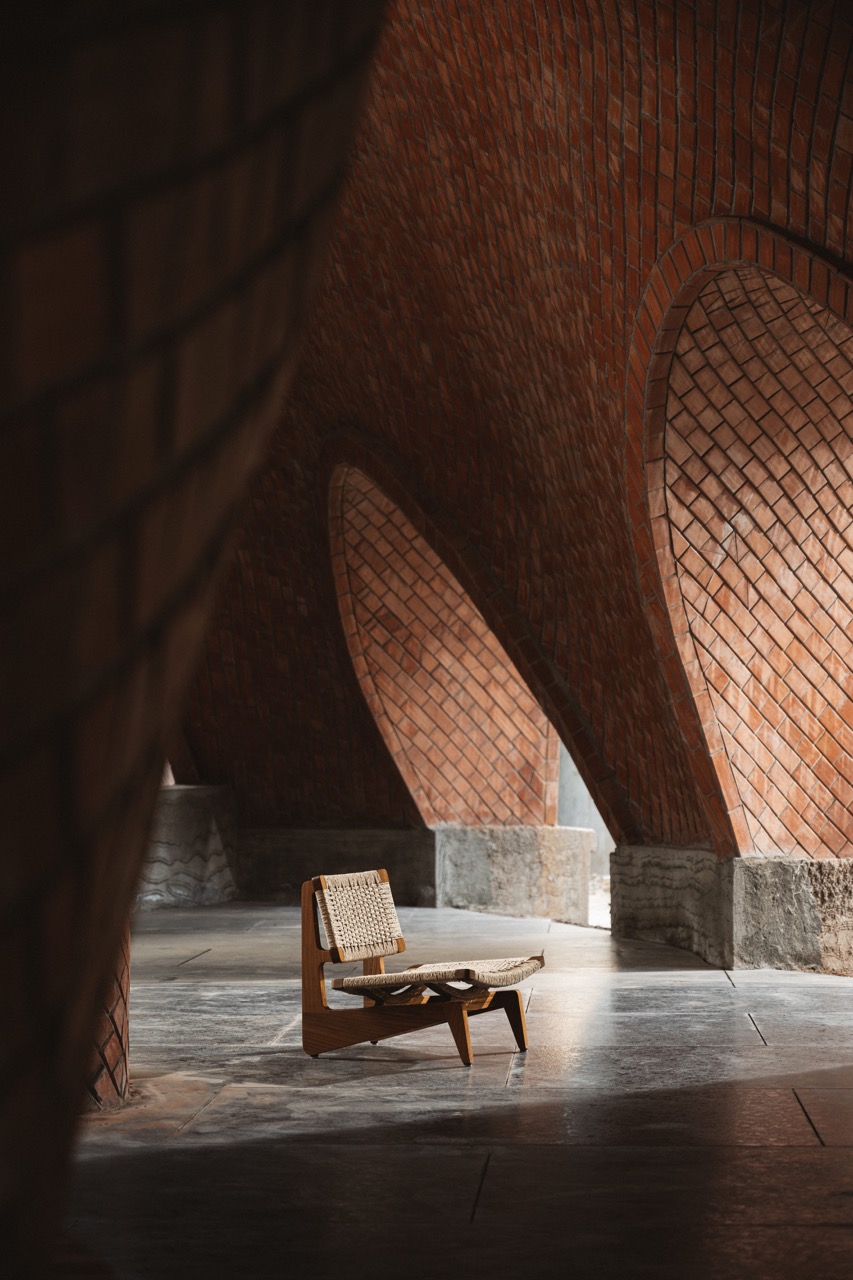
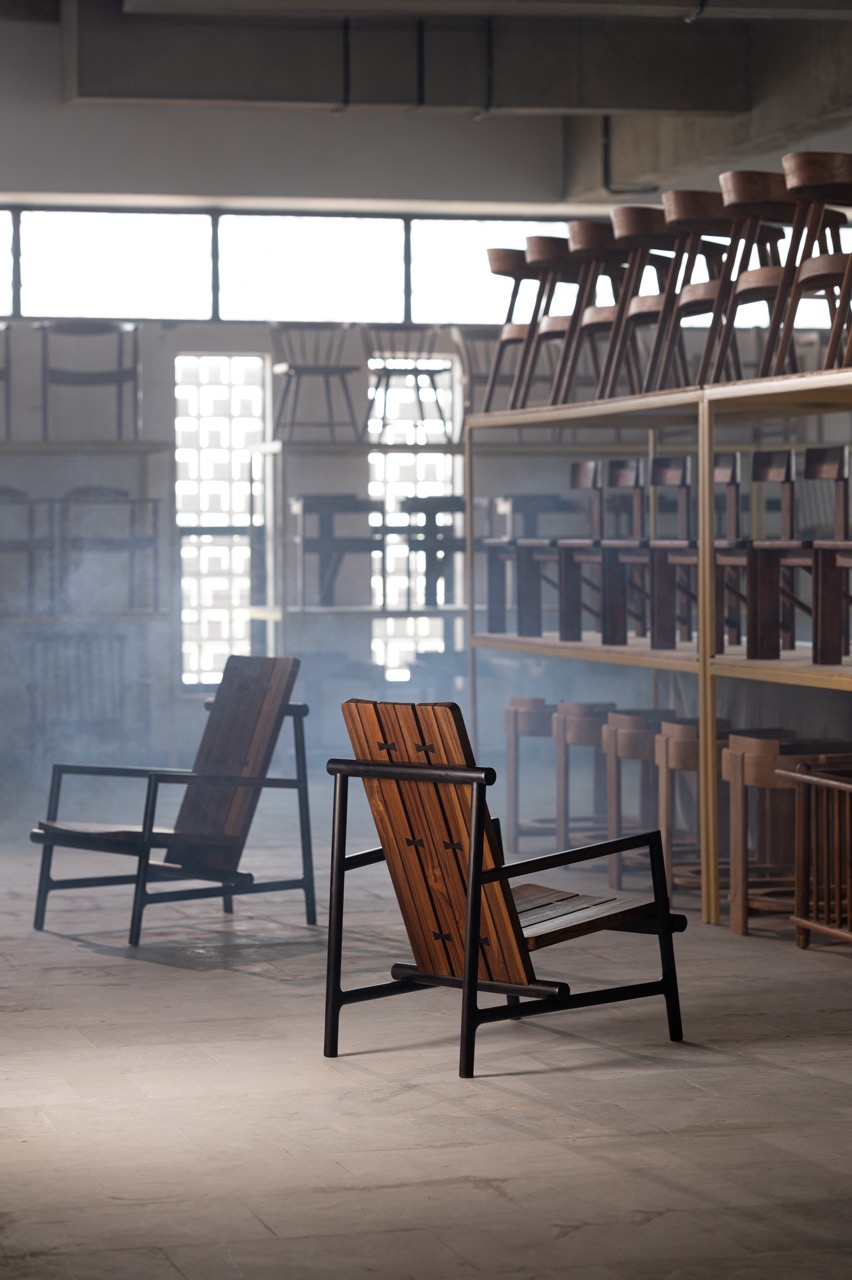
The design process begins with conversation. It is about understanding how a piece will be used, where it will sit, and what it needs to do. The Poojan chair came together in this way. It began as a request for a low-seating element for prayer, designed to sit within a teakwood home. Drawing from the familiar Sankheda chair, the form was reworked with a lower profile and a more grounded stance. From the studio, each project idea moves to the factory in Ahmedabad, where sketches turn into prototypes. Proportions are adjusted, ergonomics tested, and details refined. The final piece stays simple. The Poojan chair has a low seat, a supportive back, and is designed for stillness and longer durations of use, shaped with Indian body types in mind. “We spend a lot of time getting proportions right,” says Dhruvkant. “It has to feel comfortable without drawing attention to itself.” Craft sits at the centre of the process. Joints, curves, and connections are shaped through a mix of machine precision and handwork. Upholstery is kept minimal and thoughtful. No foam or synthetic layers. The Poojan chair, for instance, is woven in Danish cord. Leftover textiles are repurposed into cushions or small artworks, extending the life of each material used.
“Handcrafted furniture is becoming increasingly rare,” says Jalpa. “What was once everyday is now seen as luxury.” At TGF, the approach is to support craft rather than replace it. Machinery helps reduce physical strain, while the hand remains central to the making. “The idea is to make the process sustainable for the people involved,” she adds, “so the craft can continue without losing its integrity.” Over time, the studio has grown from a small team to a large workshop of skilled hands. Each piece carries that collective effort, shaped through material, process, and the people who bring it together.