

At NĀVU in Bengaluru, instinct-led food meets a space that feels warm, layered, and easy to settle into
Words
Varuni MohanPhotos
NĀVU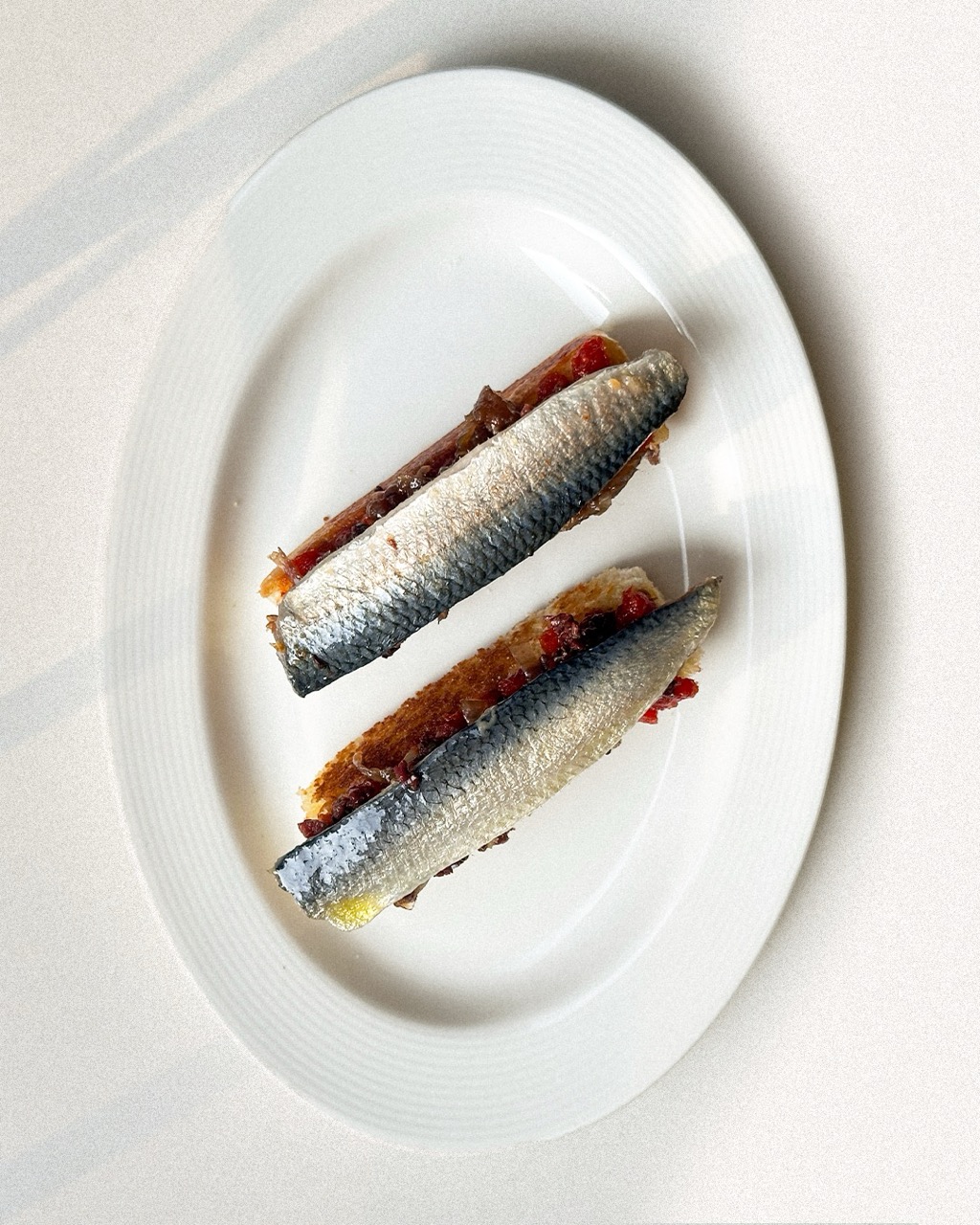
NĀVU, set in Bengaluru, takes its name from the Kannada word for “us”. It’s a simple idea, but one that shapes everything here. The restaurant feels built around people. How they gather, share, and return.
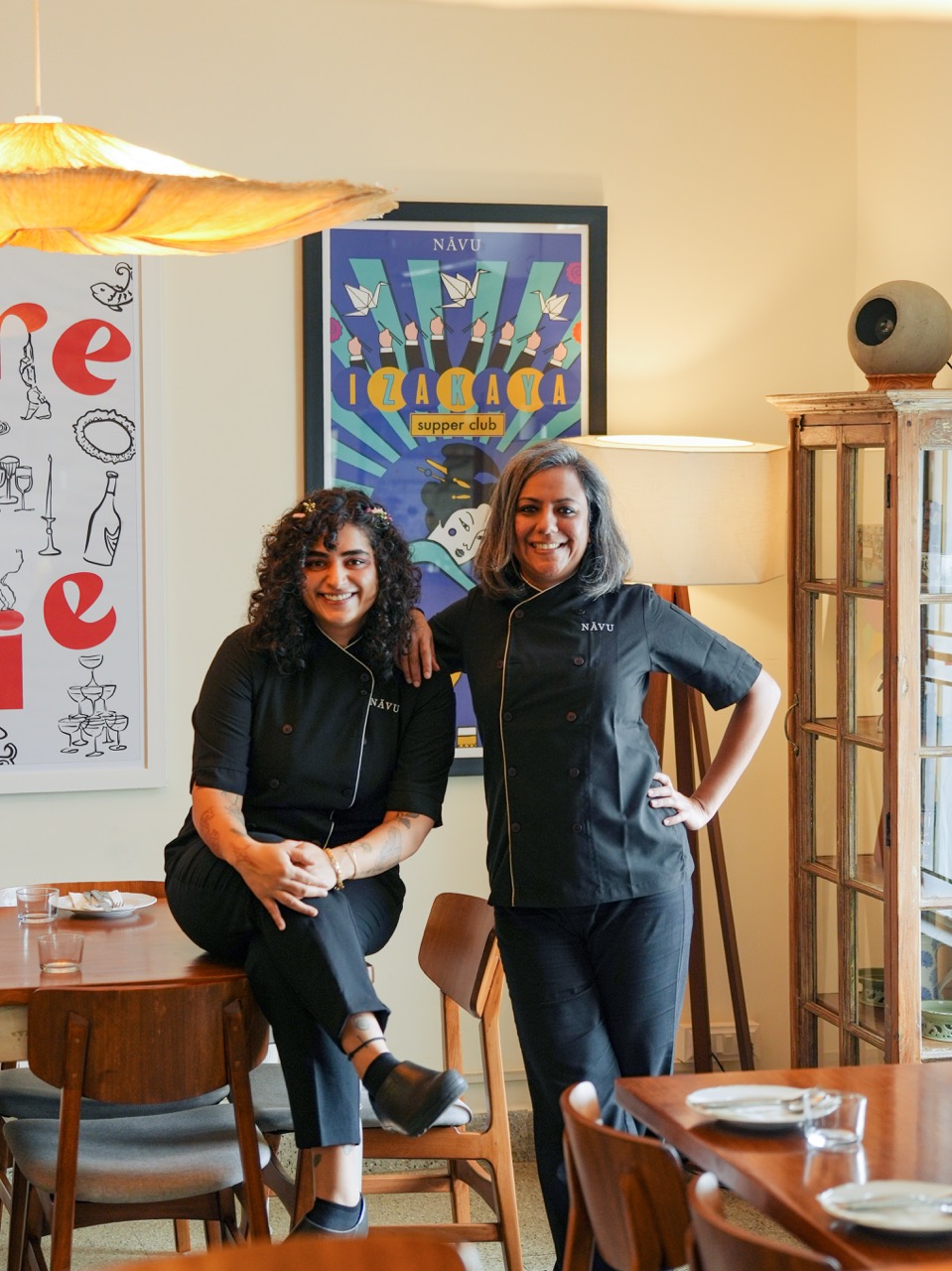
That idea begins with its founders. First opened in 2019 by chefs Kanishka Sharma and Pallavi Menon, NĀVU started small through catering, supper clubs, and pop-ups, before finding a home in an intimate space. It was a format that allowed them to stay close to their food and their diners, building something that felt personal and responsive. Today, the restaurant opens its doors in a new space on MG Road. Larger, more open, and set in the heart of the city, it marks a shift in scale but not in spirit. The move brings a broader canvas while holding on to the same instinct-led approach that defined its earlier chapter.
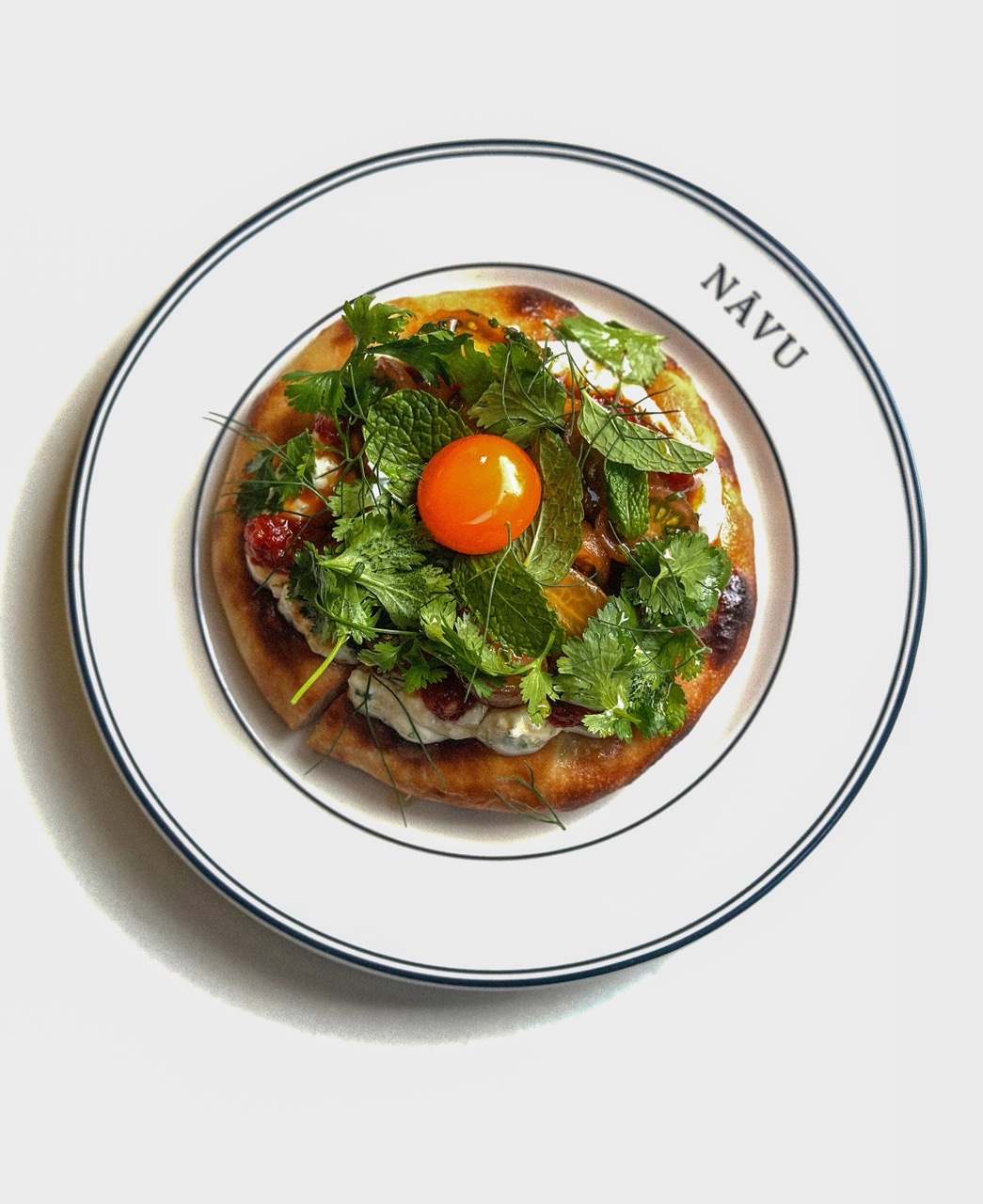
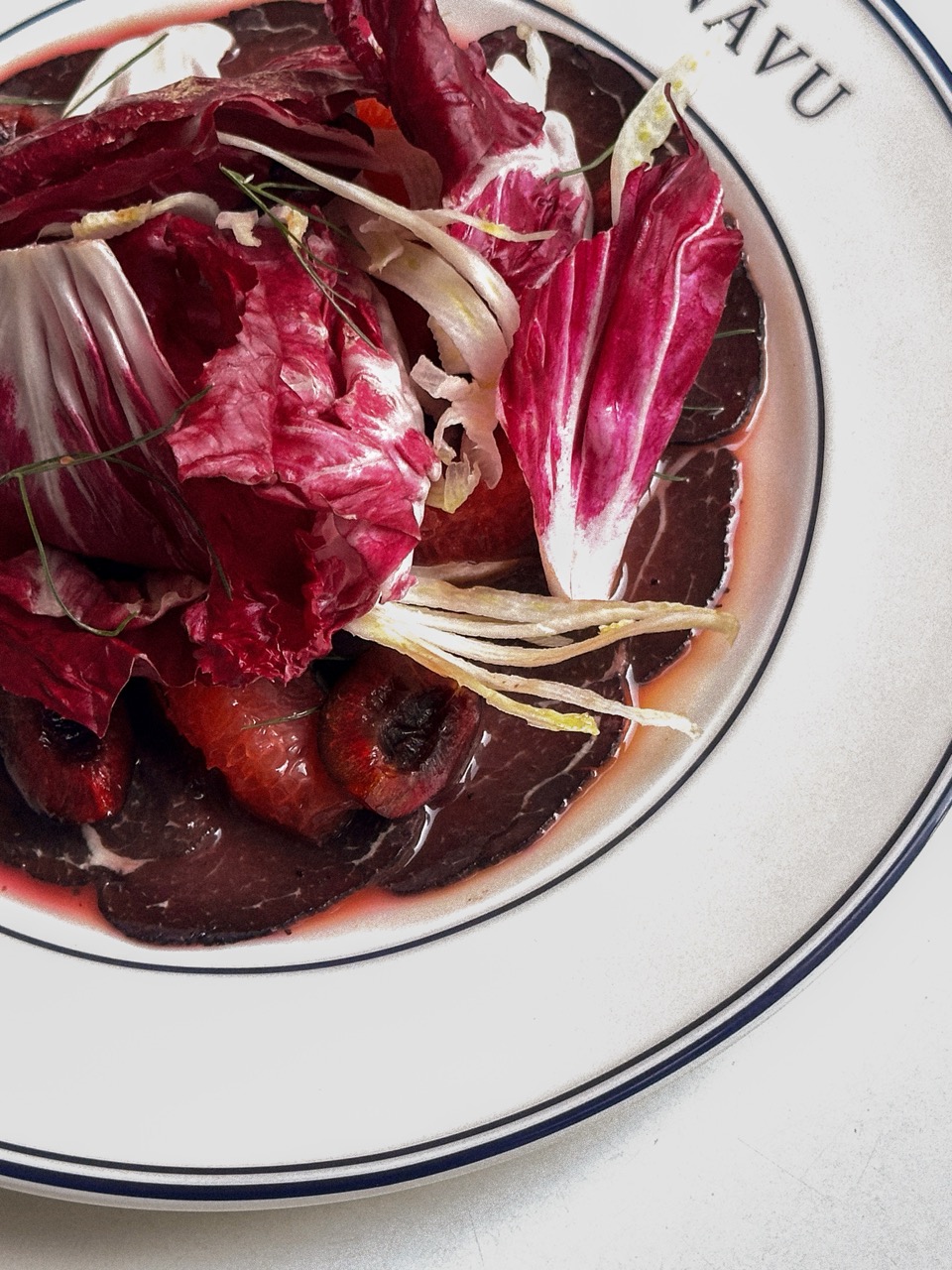
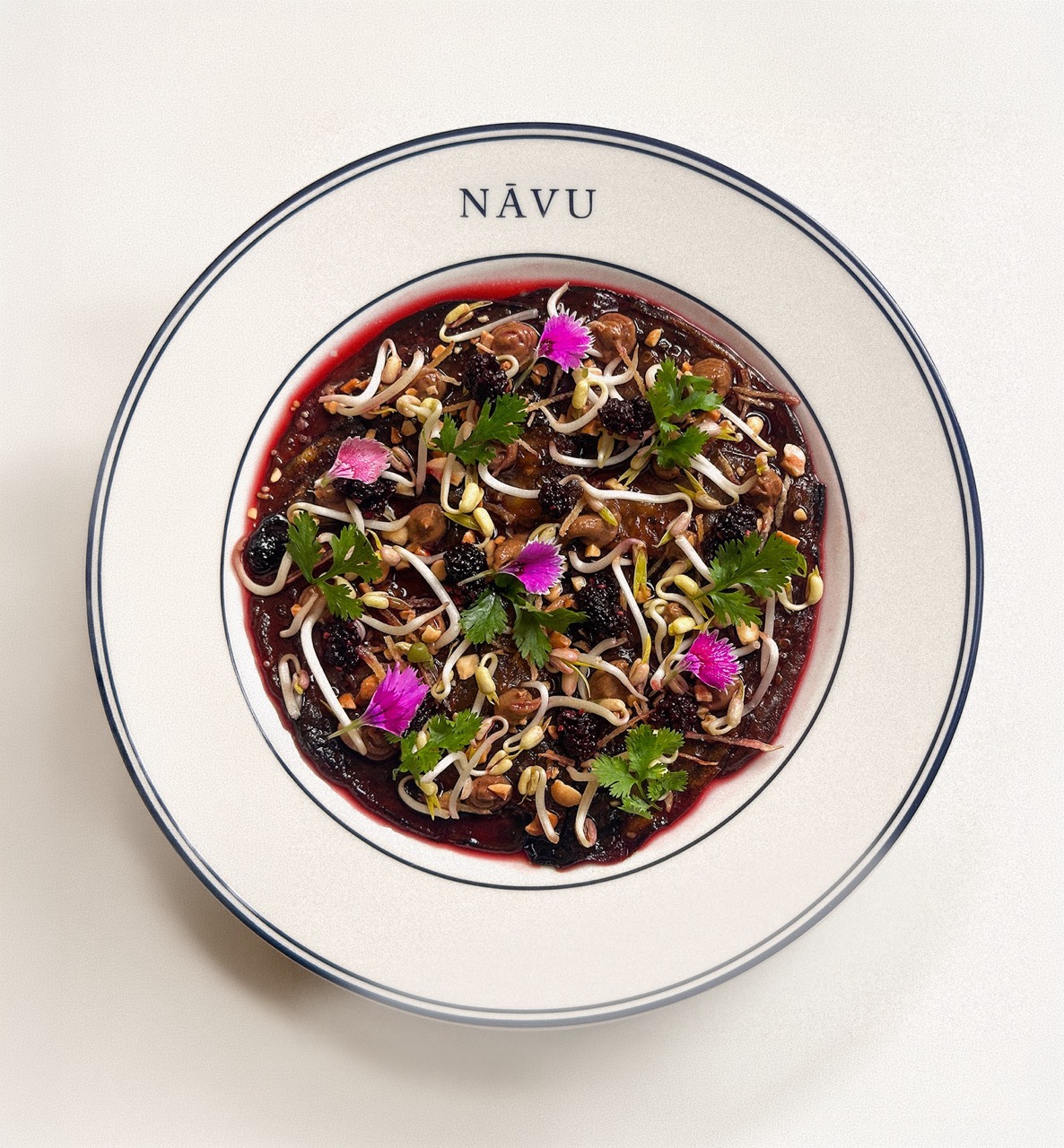
At the centre of this is how the menu is imagined. It follows four anchors: classics, seasonal dishes, experimental plates, and comfort food. The structure feels intuitive, allowing diners to move between familiarity and curiosity within the same meal. The food itself reflects that openness. There is no single cuisine guiding it. Instead, dishes draw from a mix of influences shaped by travel, memory, and what is available at the moment. A beetroot salad sits alongside a short rib stroganoff. A pissaladière arrives with cured sardines and caramelised onion, while a black sesame ice cream closes the meal on a softer note. It feels easy, varied, and quietly confident.
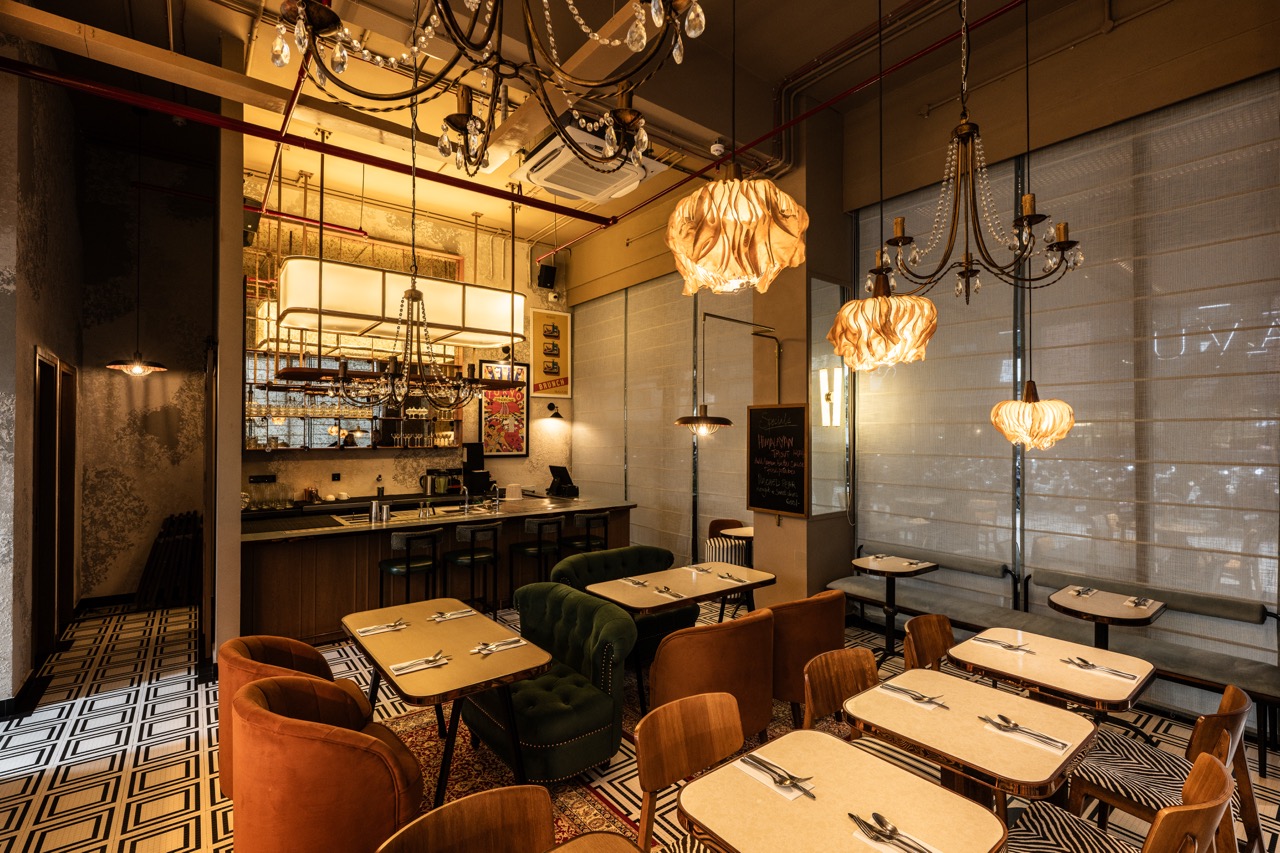
The new space mirrors this way of thinking. There is a sense of height and openness, but it never feels overwhelming. The room is layered with textured walls, patterned flooring, and a mix of wood, fabric, and metal that come together to create a setting that feels warm from the outset. Lighting plays a defining role. Sculptural pendants and chandeliers cast a soft, amber glow, breaking the volume into smaller, more intimate pockets. Seating is relaxed and varied. Plush banquettes, compact tables, and a mix of chairs make it easy to settle in.There is also a clear visual connection to the bar and kitchen. It anchors the room and brings in a steady sense of movement without turning it into a performance. You remain aware of the making, while the focus stays on the table.
This balance carries through to the cooking. The approach is ingredient-led, with a strong preference for fresh, local produce. Vegetables often take centre stage, and dishes are shaped as much by instinct as by technique. French, Middle Eastern, and Pan-Asian influences appear, but they are interpreted freely, without being tied down to one way of doing things. As the meal unfolds, the experience settles into its own rhythm. The space feels easy to be in. The food shifts between comfort and surprise. And the idea of “us” begins to make sense as something you feel at the table.