

Working With What The Wood Wants
Words
Mallika AdvaniPhotos
Tribolt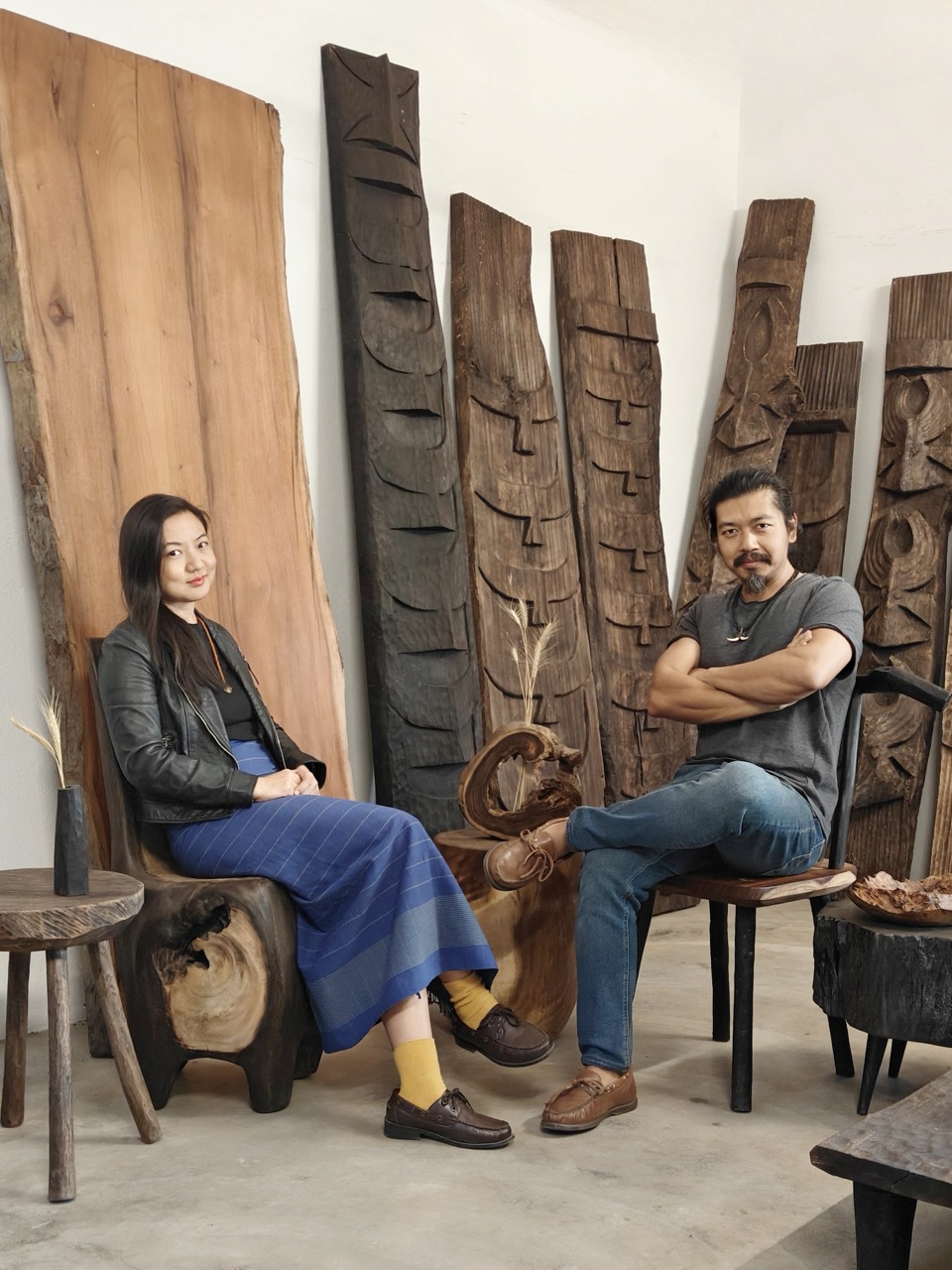
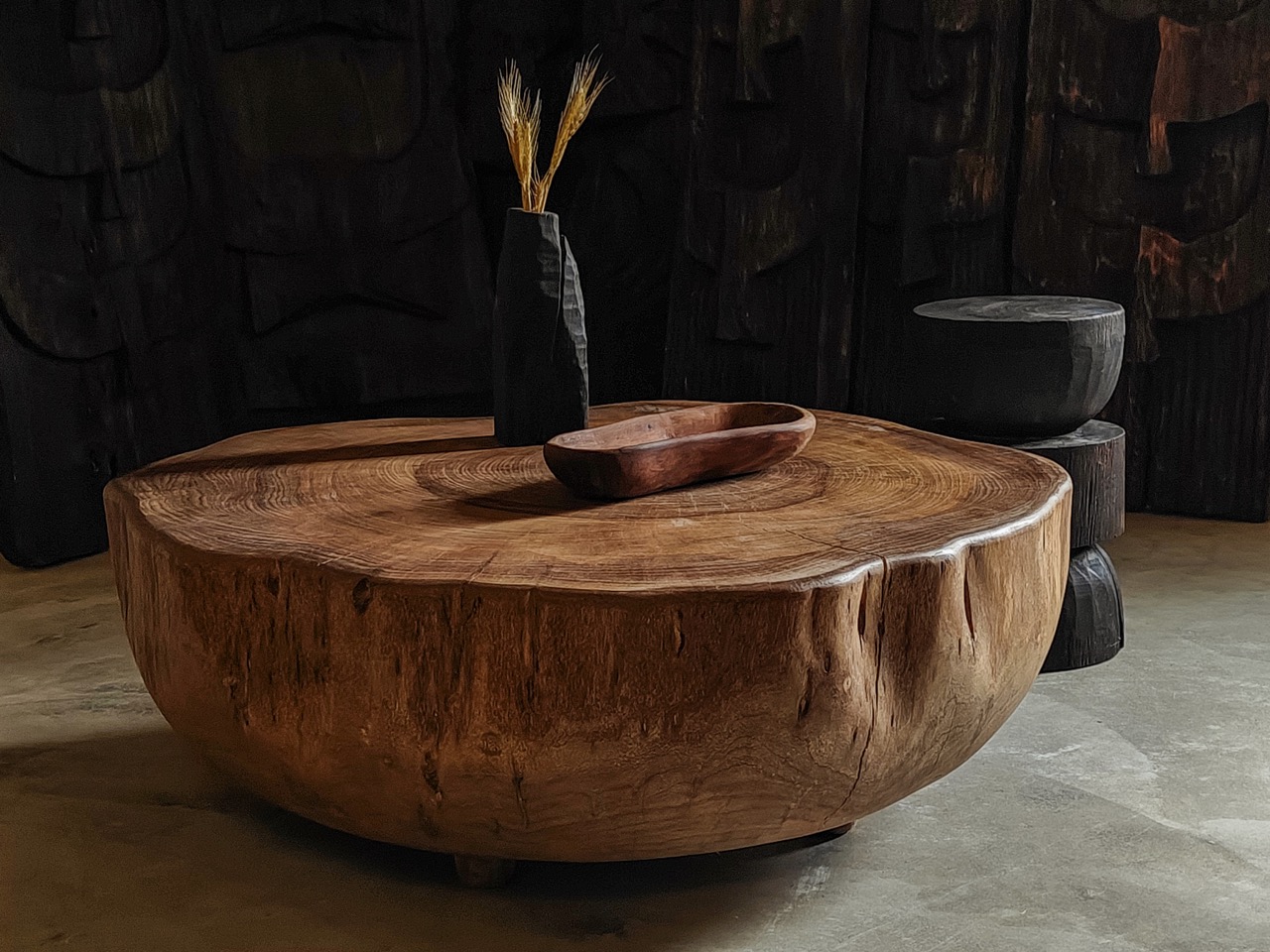
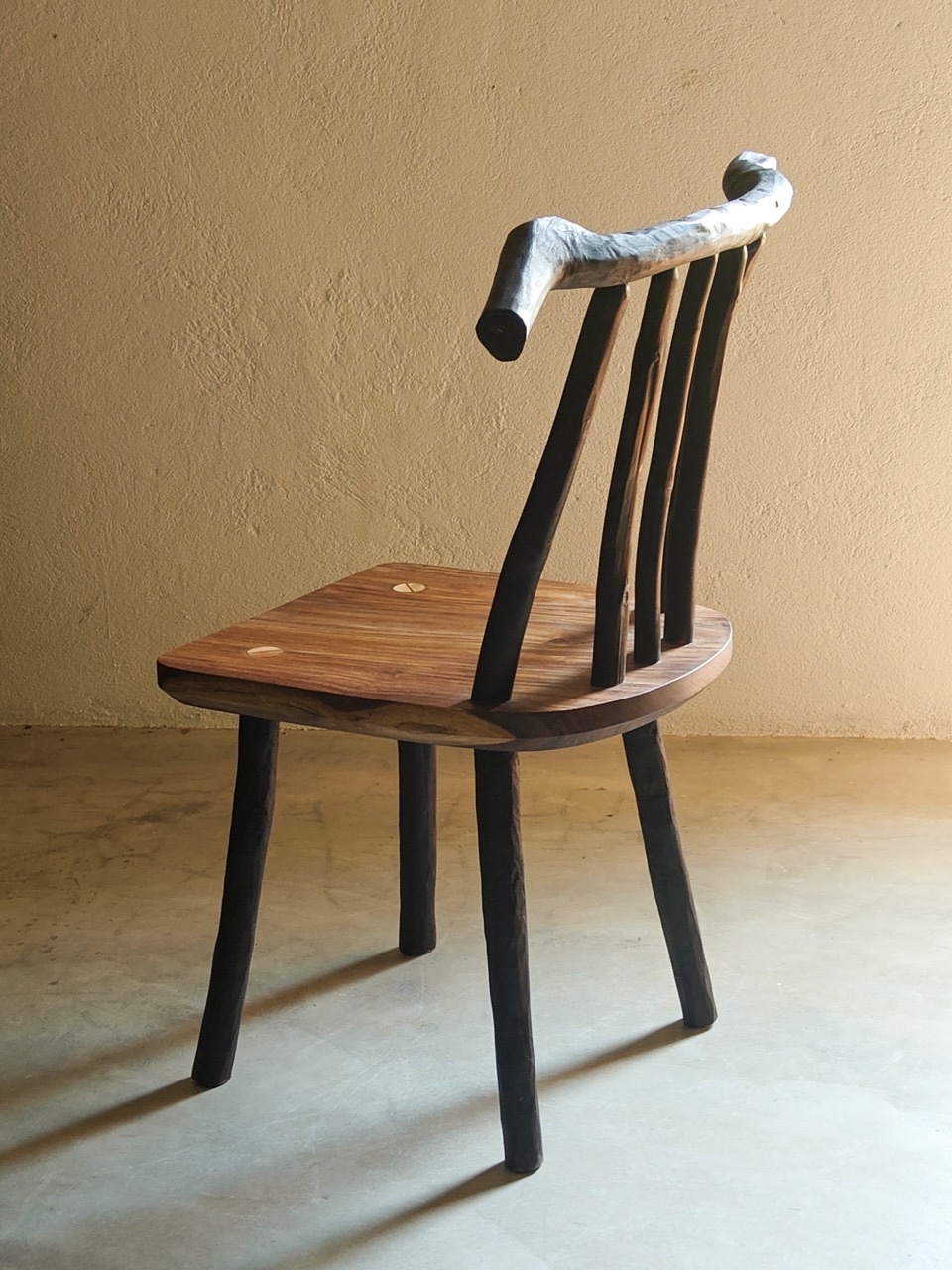
Tribolt shapes salvaged logs into furniture using ancestral Naga techniques, hand tools, and intuition over plans
In rural Nagaland, Ajung Yaden and Atem Longkumer run Tribolt from a workshop surrounded by the forests that supply their material. The former government officer and fashion stylist left secure careers to reconnect with their Naga heritage through woodworking, transforming salvaged logs – timber rejected by sawmills, trees marked by cracks and knots – into furniture and homeware that honour the wood’s natural form and continues its story. They describe themselves as cultural translators, working to carry ancestral Naga techniques and ways of living into contemporary forms. At Tribolt, traditional tools meet modern needs and ancient symbols find new expression without losing their original meaning. This commitment to preserving heritage while adapting it extends naturally to the community around them: Ajung and Atem train local youth alongside established artisans and carpenters, ensuring skills are passed down and cultural traditions remain living and evolving.
What is your starting point when designing a piece of furniture?
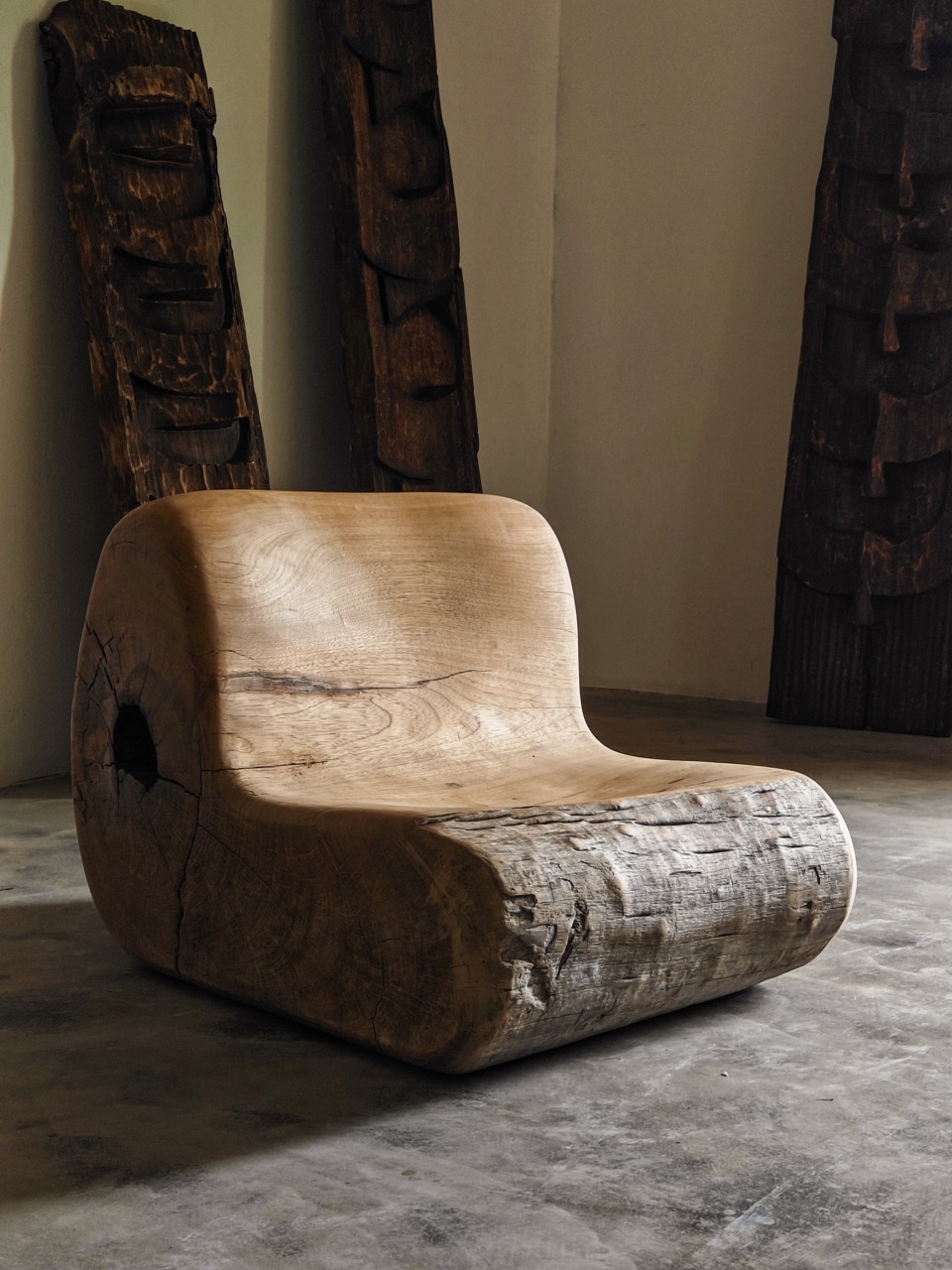
It all begins with the wood. Inspired by our ancestors, who lived beautifully imperfect lives and crafted every wooden object in their homes – from beds to plates – with raw honesty, we approach each log as more than material. Each curve, knot, and grain suggests what it wants to become. Rather than imposing a plan, we cut into the wood, and consider how to shape it so that it is both true to its nature and beautiful as an object. The Tashi chair is a good example. Carved from a discarded Padri tree log, its natural form hinted at a chair. We refined it intuitively – sitting on it, chiseling it, and adjusting its proportions – until it felt just right.
How does living in the countryside influence the way you work?
We live in the rural part of the region, where our practice is fully embedded in nature. The landscape serves as both our inspiration and our workspace, shaping our rhythm of making across seasons and informing the natural forms, textures, and tones of our furniture and art. Living so close to nature has made us more attentive to how materials are used and cared for over time.
Why is reclaimed wood central to your practice?
This consciousness of materiality carries into how we work with wood. Most of our furniture and homeware is painstakingly hand hewn from salvaged and rejected logs to give wood new life. By reusing timber that would otherwise be burnt or left to decay, we reduce waste, lower carbon emissions, and decrease the demand for freshly cut wood. Take our Milen lamps, carved from logs with cracks and holes that made them unsuitable for planks. We transformed the timber into pendants that embraced its natural curves and character. For us, working with the inherent qualities of the wood is not just sustainable; it’s a way of acknowledging the beauty and honesty found in imperfections.
How does your furniture honour Naga woodworking traditions?
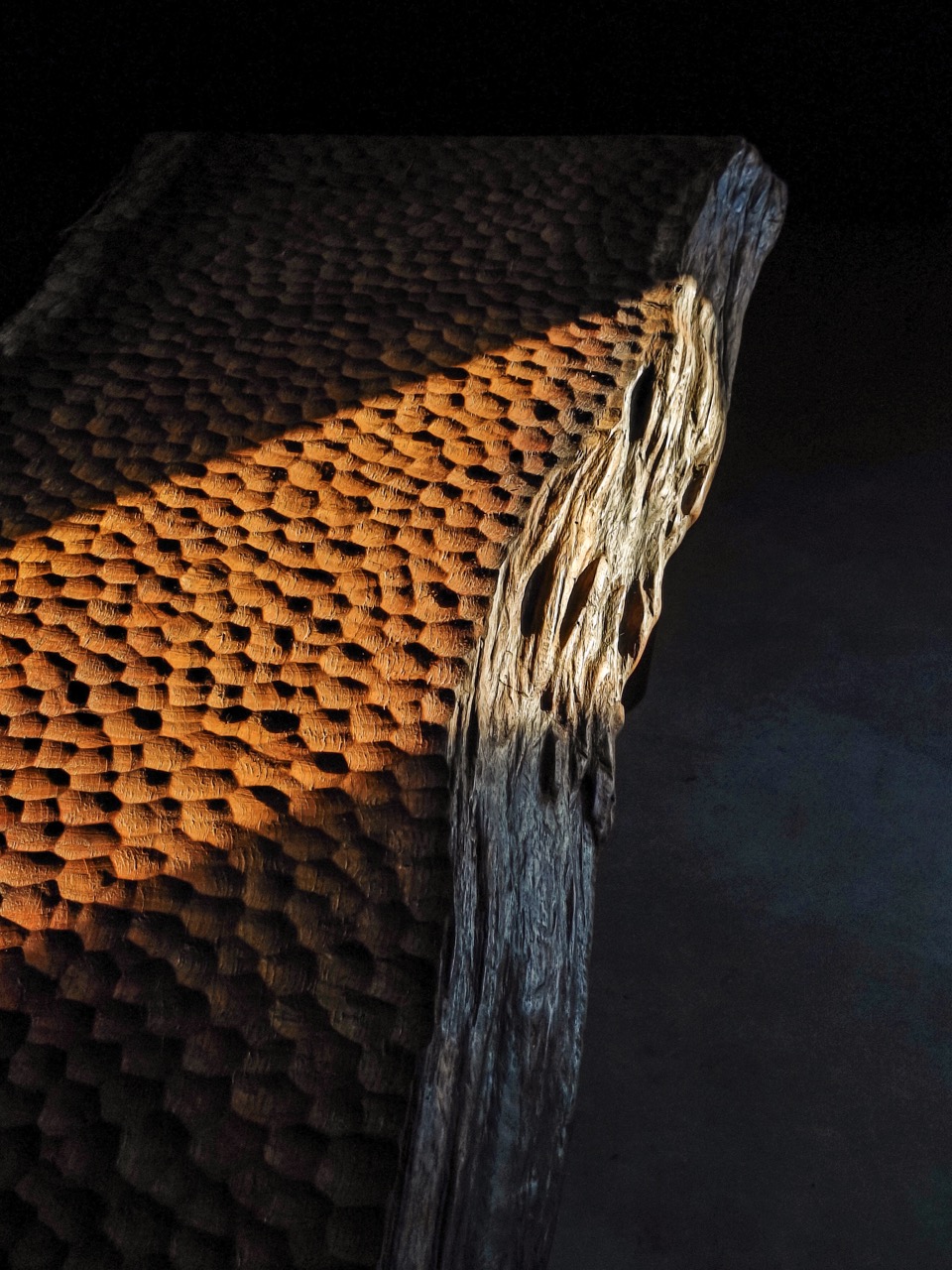
Wood and Naga culture are inseparable, from traditional carving techniques – a form of artistic expression – to the way homes are built. Using local hand tools like the Naga Dao (sword), axes, and adzes, we shape each piece while leaving traces of our work in the wood. These marks add to the material’s natural story and help keep ancestral techniques alive, connecting our furniture to a lineage of craft.
How do you translate lived Naga culture into your designs?
For us, “Naga” is more than a visual language; it goes far deeper than aesthetics. To create work inspired by a culture, one must truly belong to its way of life, deeply integrate into it, and uphold its community’s values, customs, and practices. Every Tribolt piece is consciously and ethically developed, ensuring cultural and design symbols are used respectfully and authentically. In this way, our furniture honours tradition while fostering intercultural dialogue, empathy, and respect, and supporting the preservation of tribal art and craftsmanship.
What do you hope your furniture brings into a home?
We hope our furniture reminds people that authenticity matters more than perfection. A Tribolt piece is a gentle reminder to slow down, let go, and be kind to yourself.
Which pieces have made it into your own home?
After building our home from scratch, every corner holds a memory. Pieces like the Tashi log chair, Taret lounge table, Naga low table, and Naga stools have become part of our everyday life, markers of a lifelong woodworking hobby passion turned profession. @tribolt_inc